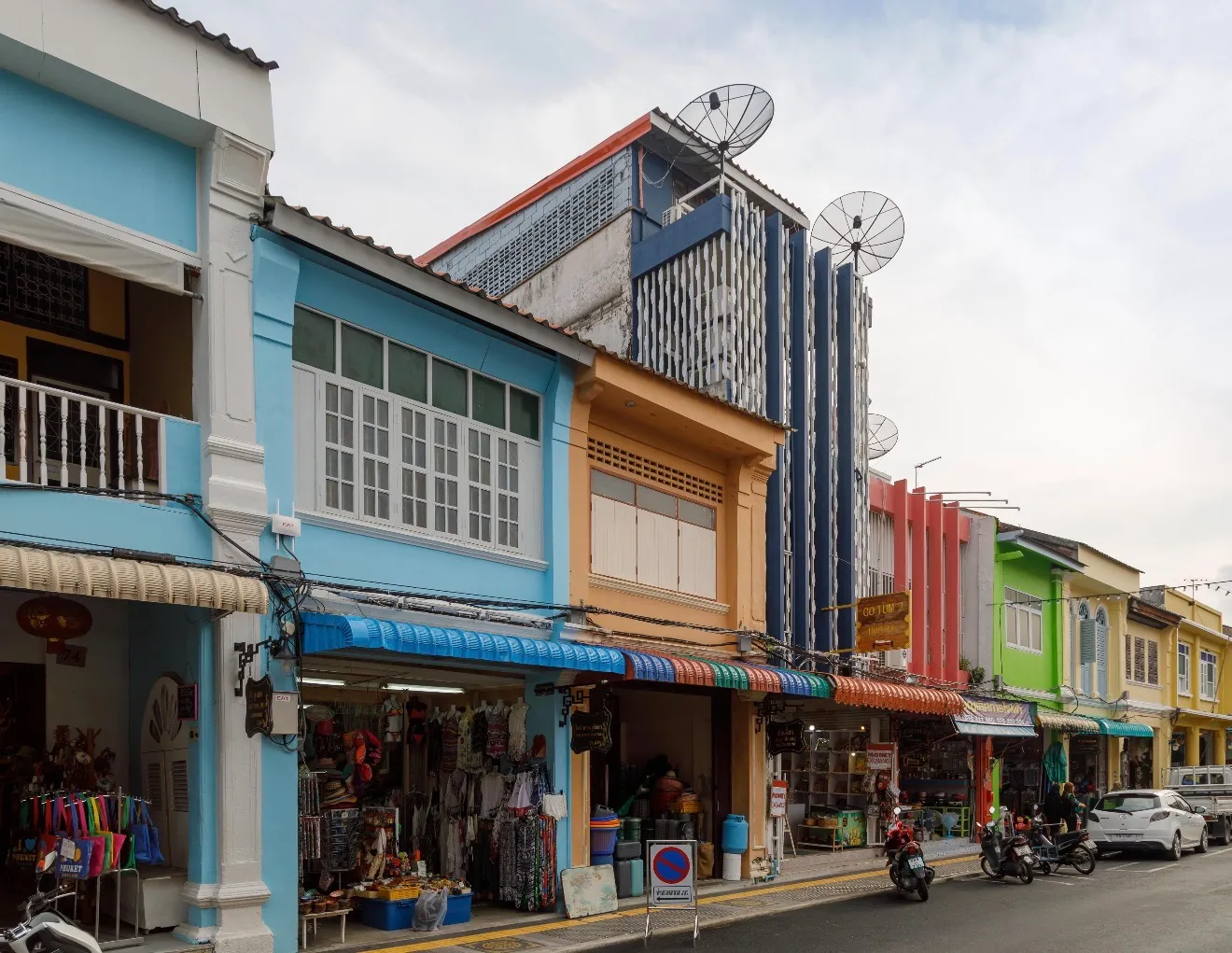
About Talat Yai / Phuket TownTalat Yai is a historic and commercially important subdistrict in Mueang Phuket District, forming a substantial part of central Phuket City. It is home to some of Phuket Town’s most recognisable streets, including Thalang…Read more About Talat Yai / Phuket TownTalat Yai is a historic and commercially important subdistrict in Mueang Phuket District, forming a substantial part of central Phuket City. It is home to some of Phuket Town’s most recognisable streets, including Thalang Road, Soi Romanee and sections of Phang Nga Road, Dibuk Road and Phuket Road. Alongside its colourful Sino-Portuguese architecture, the area contains established residential neighbourhoods, commercial buildings, schools, hospitals, restaurants and public facilities. For property buyers, Talat Yai offers a distinctly urban alternative to Phuket’s beach-oriented residential and resort areas. Although often described simply as Phuket Town or Old Phuket Town, Talat Yai is a specific administrative subdistrict. The wider urban area also includes neighbouring Talat Nuea, with Ratsada and Wichit forming important parts of the surrounding city environment. This distinction matters when identifying a property’s precise location. Many well-known Phuket Town destinations are spread across different subdistricts, and buyers should not assume that every attraction, school or shopping centre described as being in Phuket Town is physically located within Talat Yai. The historic centre is the subdistrict’s most recognisable feature. Thalang Road is lined with traditional shophouses displaying decorative façades, shuttered windows, colourful plasterwork and covered pedestrian walkways. The architectural character developed through Phuket’s history as a trading and tin-mining centre, when Chinese merchants, local families and international influences contributed to the town’s economic and cultural development. The resulting buildings reflect a combination of Chinese and European design traditions that remains an important part of Phuket’s identity. Soi Romanee, connecting Thalang Road with Dibuk Road, is another distinctive part of the old town. Its colourful buildings, narrow street and small hospitality businesses make it a popular destination for visitors. Nearby Phang Nga Road contains historic commercial buildings, restaurants, cultural landmarks and examples of traditional architecture. The intersection of Phang Nga Road and Phuket Road is associated with some of Phuket Town’s notable historic civic buildings, including the former bank and clock-tower buildings now connected with Museum Phuket. These streets are not simply preserved tourist attractions. They remain part of a functioning urban community, with restaurants, shops, accommodation businesses, offices and residential properties sharing the same environment. Some older shophouses have been carefully restored, while others continue to serve more conventional commercial or residential purposes. This combination creates an atmosphere that differs from both modern shopping districts and purpose-built tourist developments. The Sunday Walking Street, commonly known as Lard Yai, is one of Talat Yai’s best-known recurring events. Held along Thalang Road on Sunday evenings, it brings together local food vendors, craft sellers, entertainment and visitors exploring the historic town. For residents, this adds cultural activity and convenient access to local food and entertainment. However, living directly on or near the busiest historic streets can also mean increased pedestrian activity, restricted vehicle access during events and greater demand for parking. Outside the best-known historic quarter, Talat Yai contains a broader range of everyday residential and commercial environments. Roads extending towards the hospital areas, established business streets and the southern part of Phuket Town present a different character from the tourist-focused streets around Thalang Road. Here, residential buildings, shops, offices, educational facilities and public services form part of ordinary daily life. Some streets are busy throughout the working day, while smaller residential lanes can offer more settled surroundings. An important geographical feature is the southern waterfront around Saphan Hin. Phuket Road extends from the historic town towards Saphan Hin Park, a substantial public recreation area beside the sea. The park contains open spaces, coastal views, recreational grounds and sports facilities. It also includes a monument commemorating Phuket’s tin-mining history. This provides Talat Yai with access to a seaside public environment, but it should not be confused with the sandy swimming beaches found elsewhere on the island. The waterfront is particularly useful for residents who enjoy walking, exercising outdoors or spending time in open public spaces. It offers a different recreational experience from the compact streets of Old Phuket Town. Nevertheless, the coastal setting introduces practical considerations such as tidal conditions, heavy rainfall, drainage and the suitability of specific low-lying properties. These factors should be assessed individually rather than applied automatically to every property in the subdistrict. Shopping and dining form a major part of Talat Yai’s everyday appeal. Traditional shops and family-run restaurants sit alongside newer cafés, bakeries and independent retail businesses. The Old Town streets are well known for local Phuket food, influenced by Chinese and southern Thai culinary traditions. The island’s recognition as a UNESCO Creative City of Gastronomy reflects the wider importance of this food heritage, although the designation applies to Phuket rather than specifically to Talat Yai. For more conventional shopping, Limelight Avenue on Dibuk Road provides retail, food and convenience services within Talat Yai. Smaller supermarkets, pharmacies and specialist retailers can be found around the wider urban area. Central Phuket’s larger Festival and Floresta shopping complexes are situated in neighbouring Wichit, offering an additional choice for major shopping, entertainment and household purchases. Education is another consideration for households looking at central Phuket. Satree Phuket School is located on Damrong Road within Talat Yai and provides secondary education, including specialised academic programmes. Other Thai and international educational options are available in neighbouring subdistricts. Families comparing homes should evaluate the actual campus location, curriculum, admissions requirements and daily school journey rather than relying only on an advertised distance. Healthcare access is a significant practical advantage of the subdistrict. Vachira Phuket Hospital, a major public hospital on Yaowarat Road, is located in Talat Yai. Bangkok Hospital Phuket, a major private hospital on Hongyok Utis Road, is also within the subdistrict. Phuket Provincial Administrative Organization Hospital provides another healthcare option. The presence of these institutions makes Talat Yai relevant to residents who value access to substantial medical facilities, although the appropriate hospital depends on individual healthcare needs, service availability and insurance arrangements. Transport connections reflect Talat Yai’s central role within Phuket’s established urban network. Phuket Road, Phang Nga Road, Yaowarat Road and other connecting streets link different parts of the town with surrounding districts. Phuket Bus Terminal 1 serves the central town area, while public transport links provide access to selected destinations elsewhere on the island, including airport bus services. Nevertheless, many households continue to depend on cars or motorcycles for regular journeys. Walkability varies across the subdistrict. The historic streets around Thalang Road and Soi Romanee offer relatively compact routes between shops, restaurants and attractions. Other roads are more heavily affected by traffic, narrow pavements, parked vehicles and the difficulties of crossing busy junctions. Buyers seeking a walkable lifestyle should inspect the actual route between a potential home and the amenities they expect to use. Talat Yai’s property market reflects the diversity of its built environment. Older shophouses and townhouses are part of the historic and commercial landscape. Apartments and condominiums provide alternatives for buyers seeking an urban residential property, while conventional houses can be found in established residential surroundings. The subdistrict is not primarily characterised by large resort compounds or beachfront villa developments. Its appeal is more closely connected to centrality, convenience, local character and the reuse of established urban buildings. Historic properties deserve especially careful evaluation. An attractive exterior does not necessarily indicate a building’s internal condition or compliance with modern requirements. Roofs, waterproofing, plumbing, electrical systems, structural alterations and shared walls may need professional inspection. Properties intended for renovation, commercial activity or hospitality use may also be subject to planning, conservation, building-safety or licensing requirements. Buyers should confirm what is legally permitted before relying on a proposed business or redevelopment plan. Condominium purchasers face a different set of considerations. Building management, common-area condition, parking, sinking funds and regular maintenance costs can be particularly important in older residential buildings. Foreign purchasers should verify whether a condominium unit is legally eligible for foreign freehold ownership and whether sufficient foreign ownership quota is available. The description of a property as a condominium or apartment is not, by itself, proof of its legal status or ownership eligibility. Traffic and parking are important trade-offs across the urban environment. Major roads serve hospitals, schools, shops and workplaces, generating regular vehicle movement. Historic commercial streets may have limited dedicated parking, while pedestrian events and festivals can temporarily change access arrangements. Residential buyers should inspect the surroundings during ordinary working hours, evenings and weekends to understand whether the location suits their routines. Heavy rainfall and drainage are also relevant to property selection. Some low-lying parts of Phuket Town have experienced temporary flooding and road waterlogging during intense rain, including locations associated with the wider Old Town road network. The Bang Yai Canal drainage system and tidal conditions can influence how quickly water leaves affected areas. This does not establish that Talat Yai as a whole is flood-prone. Buyers should examine the individual property’s elevation, access road, drainage history and evidence of previous water entry. For investors, the area’s mixture of residential, cultural and commercial activity creates different possible property uses. Centrally located condominiums may appeal to long-term tenants seeking access to work, education and medical facilities. Shophouses may interest purchasers considering traditional commercial activities, residential occupation or appropriately authorised hospitality businesses. However, potential rental performance depends on the individual property, acquisition price, tenant demand, operating costs and permitted use. Visitor popularity should never be treated as evidence of guaranteed income or appreciation. Talat Yai is particularly suitable for buyers who appreciate the everyday character of Phuket Town, enjoy established local communities and prioritise access to schools, hospitals, restaurants and urban services. Its historic architecture and cultural identity provide a distinctive setting, while the Saphan Hin waterfront adds recreational variety. The main compromises are traffic, parking, the condition of some older buildings, localised drainage risks and the absence of a conventional beach-resort lifestyle. For the right buyer, Talat Yai offers an established urban environment with a strong sense of place and a wide range of practical conveniences.
Lifestyle in Talat Yai / Phuket TownLiving in Talat Yai provides an urban Phuket experience centred on local communities, established businesses and the everyday rhythms of a working city. Unlike beachfront neighbourhoods where tourism and holiday accommodation can dominate the…Read more Lifestyle in Talat Yai / Phuket TownLiving in Talat Yai provides an urban Phuket experience centred on local communities, established businesses and the everyday rhythms of a working city. Unlike beachfront neighbourhoods where tourism and holiday accommodation can dominate the atmosphere, Talat Yai combines cultural tourism with schools, hospitals, offices, markets and permanent residential communities. The most distinctive lifestyle environment is found around Thalang Road, Soi Romanee, Dibuk Road and Phang Nga Road. Traditional Sino-Portuguese shophouses accommodate cafés, restaurants, small retail businesses, accommodation and homes. In the morning, some streets are relatively quiet as local businesses prepare for the day. Later, cafés and restaurants attract visitors, while the evening atmosphere changes again as people gather for food and social activities. Thalang Road’s Sunday Walking Street is particularly important to the area’s character. The street becomes a pedestrian market with local food, crafts and entertainment, making it one of Phuket Town’s recognised cultural activities. Residents living nearby can enjoy this atmosphere without travelling across the island. However, the additional visitors, restricted access and parking demand may be less attractive to households seeking consistently quiet surroundings. Beyond the heritage centre, Talat Yai has a more conventional town atmosphere. The roads around hospitals, educational facilities and commercial districts serve residents going to work, attending appointments and managing everyday errands. Convenience shops, pharmacies, restaurants and other services support a year-round population. These neighbourhoods may be more practical for people who value routine access to urban facilities than for buyers seeking a picturesque historic address. Food is an important part of daily life. Talat Yai offers traditional Phuket restaurants, noodle shops, local snacks and cafés, while the wider Phuket Town area provides even greater choice. The local culinary environment reflects Phuket’s Chinese and southern Thai influences. Eating out can form a regular part of everyday living rather than being limited to special occasions or tourist excursions. Families may appreciate the presence of Satree Phuket School and the wider choice of educational facilities across central Phuket. The availability of major hospitals within Talat Yai is also useful for households with children, older residents and anyone prioritising healthcare access. Nevertheless, a central address does not necessarily mean an easy daily journey. School schedules, hospital traffic and parking arrangements can all affect convenience. Saphan Hin Park offers an important contrast to the densely developed streets of the town centre. Its coastal grounds and sports facilities provide room for walking, exercise and community activities. For people living in apartments or traditional townhouses without large private gardens, access to public recreational space can be particularly valuable. Transport is one of the area’s practical considerations. Some destinations in the historic centre are accessible on foot, and local public transport serves parts of the town. However, walking conditions become less comfortable on roads with heavy traffic or inconsistent pavements. Many households will find private transport useful for shopping, school journeys and regular trips outside central Phuket. Talat Yai is best suited to people who enjoy an active urban environment, historical surroundings and convenient services. Buyers seeking secluded villas, resort facilities or a sandy beach within walking distance should consider other areas. Within Talat Yai itself, choosing between a lively heritage street and a quieter residential location can make a substantial difference to everyday comfort.
What Property Buyers Should Know About Talat Yai / Phuket TownBuying property in Talat Yai requires careful attention to the exact building and street. The subdistrict includes historic shophouses, established townhouses, condominium buildings, apartments and conventional homes. Their ownership arrangements, maintenance requirements, surrounding activities…Read more What Property Buyers Should Know About Talat Yai / Phuket TownBuying property in Talat Yai requires careful attention to the exact building and street. The subdistrict includes historic shophouses, established townhouses, condominium buildings, apartments and conventional homes. Their ownership arrangements, maintenance requirements, surrounding activities and long-term suitability can vary considerably. Buyers should first decide whether the property will be used as a permanent residence, a second home, a long-term rental investment or a commercial premises. For buyers interested in Old Phuket Town’s architecture, properties around Thalang Road, Soi Romanee, Dibuk Road and Phang Nga Road may be particularly appealing. Historic shophouses offer distinctive façades, traditional layouts and proximity to restaurants and cultural attractions. However, their character can come with substantial practical responsibilities. Narrow frontages, long internal layouts, shared walls, limited outdoor space and restricted parking may be unsuitable for some households. Older properties should be inspected by appropriately qualified building professionals before a binding commitment. Particular attention should be given to roofing, structural movement, electrical installations, plumbing, waterproofing, ventilation and signs of previous water damage. Renovations completed by earlier owners should be checked against available building documentation. A recently painted façade or attractive interior does not establish that hidden systems are in good condition. Properties with historical significance may also require additional planning and conservation checks. Buyers intending to alter a façade, combine buildings, add floors or convert a shophouse into a hotel or other accommodation business should establish the relevant permissions first. The presence of other hospitality businesses nearby does not mean that every property can legally operate in the same way. Commercial suitability depends on the building, zoning, licences, fire safety and permitted use. Condominium buyers should assess the overall building rather than focusing only on the apartment. Check whether lifts, shared corridors, waterproofing, parking areas and mechanical systems have been properly maintained. Request information about common-area fees, sinking funds, outstanding payments, major planned repairs and the financial condition of the condominium juristic person. An apartment with an attractive asking price may become more expensive to own if significant building repairs are approaching. Foreign buyers must establish the legal ownership structure before paying a deposit. Foreigners may generally acquire eligible condominium units in their own name within the applicable statutory foreign-ownership quota, subject to documentary and financial requirements. Direct foreign ownership of land is generally restricted, so land-backed houses and shophouses require additional legal scrutiny. Leasehold arrangements, proposed company ownership and separate building rights should be reviewed independently. Contractual renewal promises must not be treated as equivalent to guaranteed registered ownership rights. Road access and parking are major practical considerations. The compact historic streets can offer excellent pedestrian access to restaurants and shops, but private parking may be limited. A townhouse without dedicated parking may be inconvenient for a family with multiple vehicles. Buyers should confirm whether parking is included in the property’s legal rights, merely rented separately or dependent on public roadside availability. Properties near major hospitals, schools or commercial roads can experience regular traffic, motorcycle activity and delivery vehicles. The area around Thalang Road becomes particularly busy during Sunday Walking Street and other events. Before purchasing, visit the property during a weekday morning, an afternoon commute, an evening and, where relevant, a busy weekend. This helps reveal noise, traffic patterns and practical access restrictions that may not be obvious during a single viewing. Flood and drainage checks are important for individual properties, particularly in low-lying streets. Phuket Town has experienced localised road flooding during intense rainfall, and the Bang Yai Canal system can be affected by heavy runoff and tidal conditions. Buyers should ask whether the building or surrounding road has previously flooded, inspect ground-floor thresholds and basement areas, and investigate the condition of nearby drains. Visible repairs, dampness and previous water-entry marks should be examined rather than dismissed. Flood exposure must be assessed by address, not assumed to affect the entire subdistrict. Properties nearer the waterfront around Saphan Hin require consideration of coastal conditions in addition to ordinary building maintenance. Salt-laden air can affect exposed metalwork and building components, while low ground levels may make drainage arrangements especially relevant. These factors do not necessarily make a property unsuitable, but they should influence inspection priorities and maintenance budgeting. Families should compare properties against their actual daily requirements. Satree Phuket School is located within Talat Yai, while other school choices are spread across Phuket Town and neighbouring areas. Hospital access is convenient in parts of the subdistrict, but proximity to a major institution may also mean heavier traffic. A home that is ideal for someone working in central Phuket may be less practical for a family commuting to an international school farther away. Investors should distinguish between residential rentals, commercial premises and hospitality accommodation. A condominium intended for long-term tenants should be assessed using comparable rental evidence, likely vacancy, fees and maintenance costs. A shophouse intended for business use requires checks on permitted activity, fit-out expenses, tenant demand and contractual obligations. Tourist footfall near Old Phuket Town is not sufficient evidence of reliable rental returns. The purchase budget should include more than the agreed price. Buyers need to consider transfer-related costs, independent legal advice, building inspections, potential renovation expenses, insurance and ongoing maintenance. Older buildings may justify a larger repair contingency, particularly if documentation is incomplete or major systems have not been upgraded. Talat Yai is worth considering for buyers who prioritise central living, cultural surroundings and established urban infrastructure. Its principal advantages are location, services, heritage and varied property types. The trade-offs are limited parking in certain streets, traffic, building age, possible restrictions on alterations and location-specific drainage risks. The strongest purchase decision will be based on verified legal documentation, a thorough inspection and a realistic understanding of how the property functions in daily life.
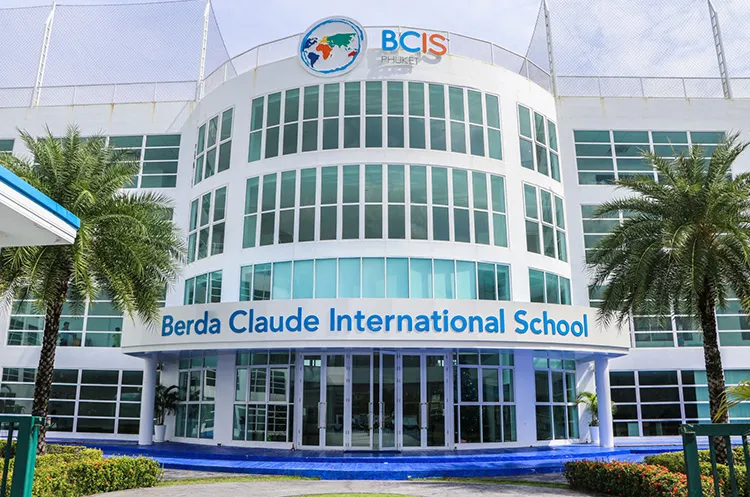
BCIS International School PhuketLocated in the subdistrictBCIS International School Phuket, also known as Berda Claude International School, is located in Chalong. It offers British Cambridge and French national curriculum pathways for children aged 2 to 18, including IGCSEs, A Levels and the French Baccalaureate. With junior and senior campuses, sports facilities and multilingual education, BCIS is an important schooling option for international families living in southern Phuket.
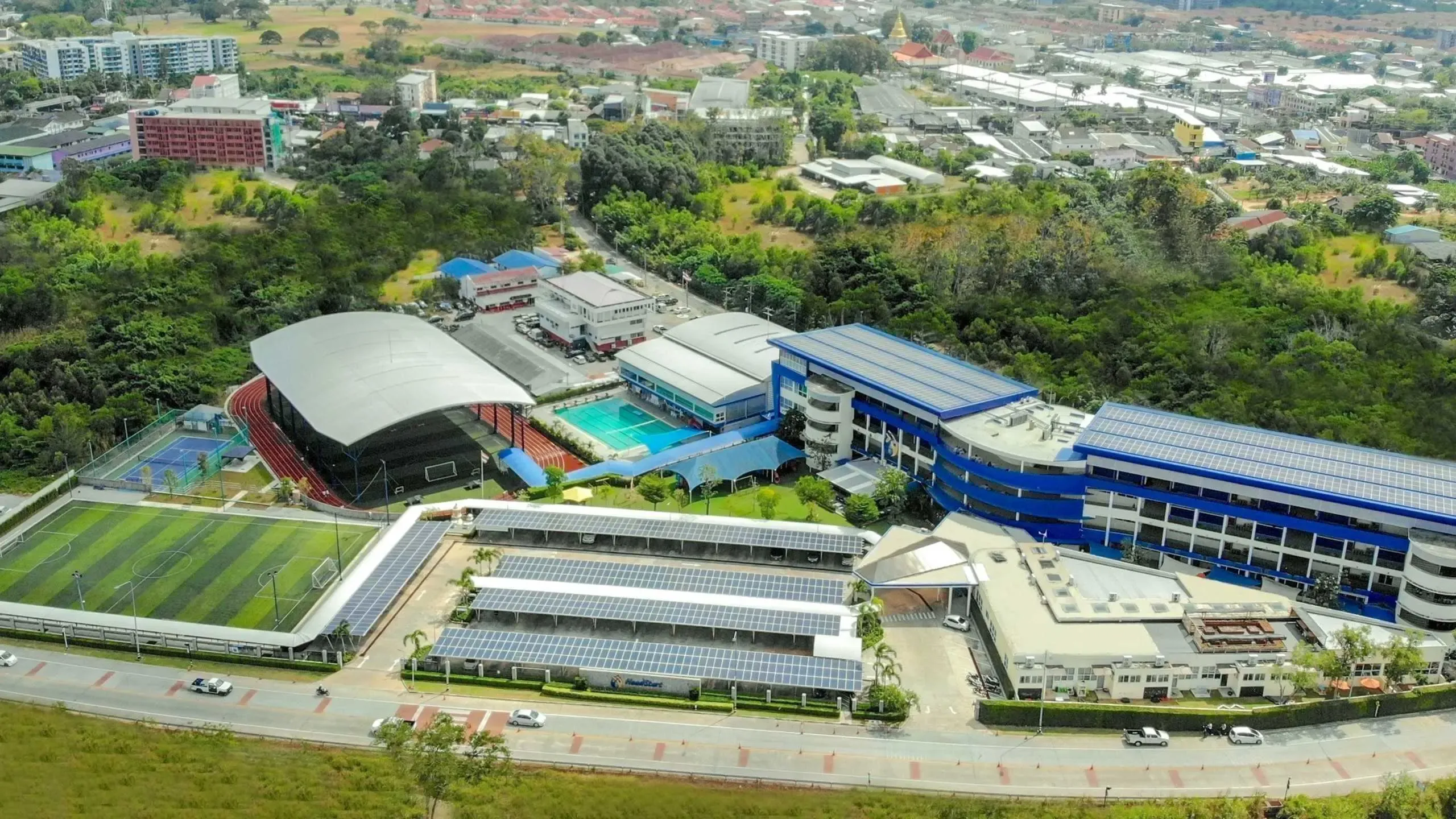
HeadStart International School, Chaofah City CampusLocated in the subdistrictHeadStart International School's Chaofah City Campus is located in Wichit, near Chalong and Phuket Town. It provides British curriculum education from early years through secondary school and Sixth Form, including IGCSE and A Level pathways. The campus offers purpose-built classrooms, sports facilities, science laboratories and extracurricular activities, making it a nearby option for families living in Chalong.
Vachira Phuket HospitalLocated in the subdistrictVachira Phuket Hospital is a major government hospital on Yaowarat Road in Phuket Town. It provides 24-hour emergency care, outpatient consultations, inpatient treatment, surgery, diagnostic services and specialist medical departments. As an important public referral hospital for Phuket and the surrounding region, it supports patients requiring both general healthcare and more complex hospital treatment.
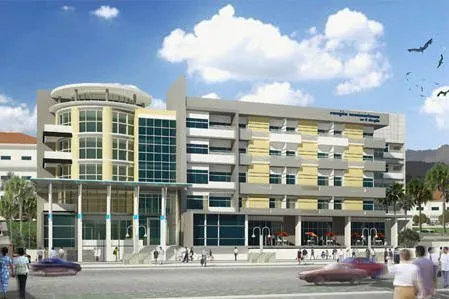
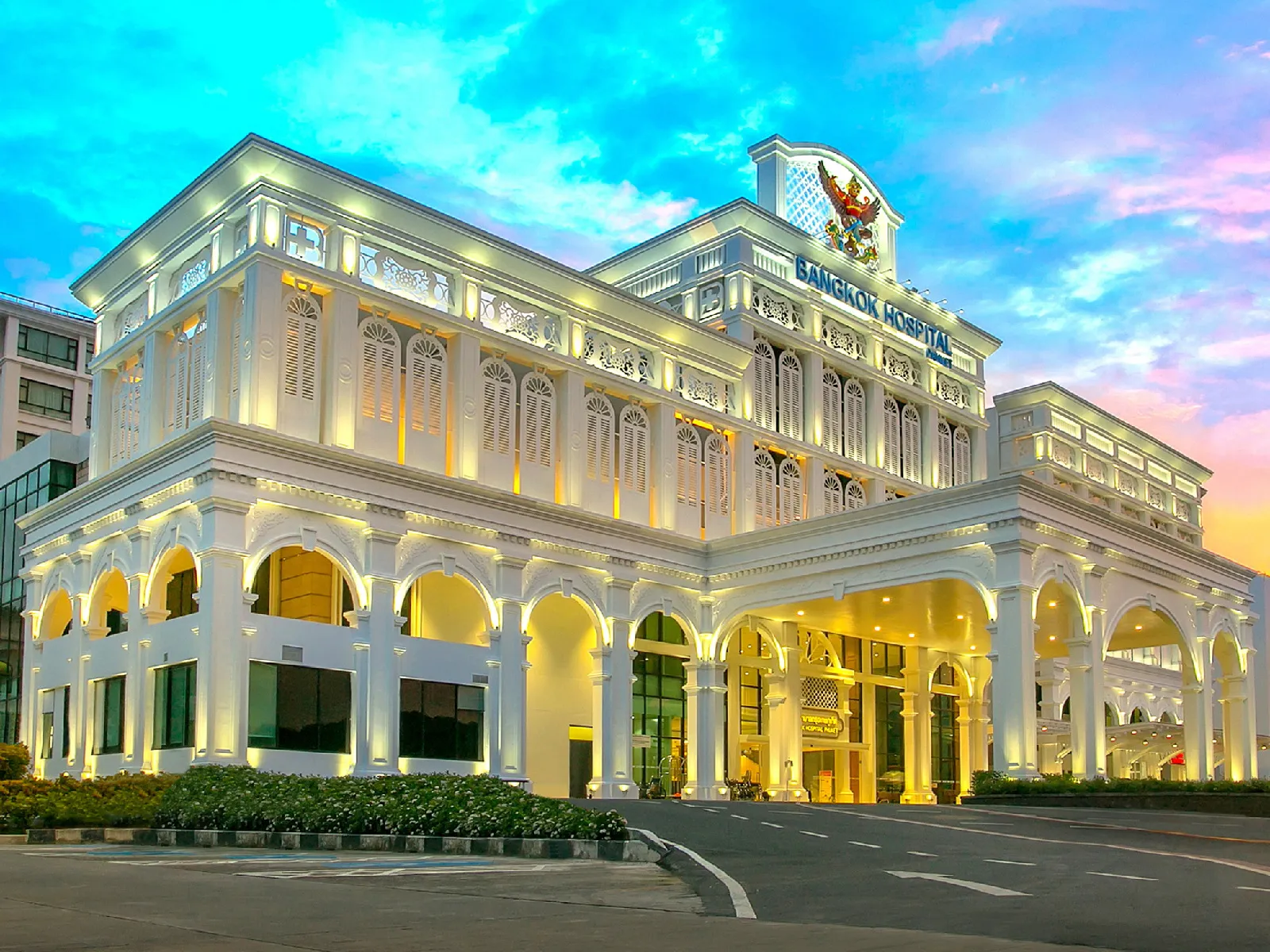
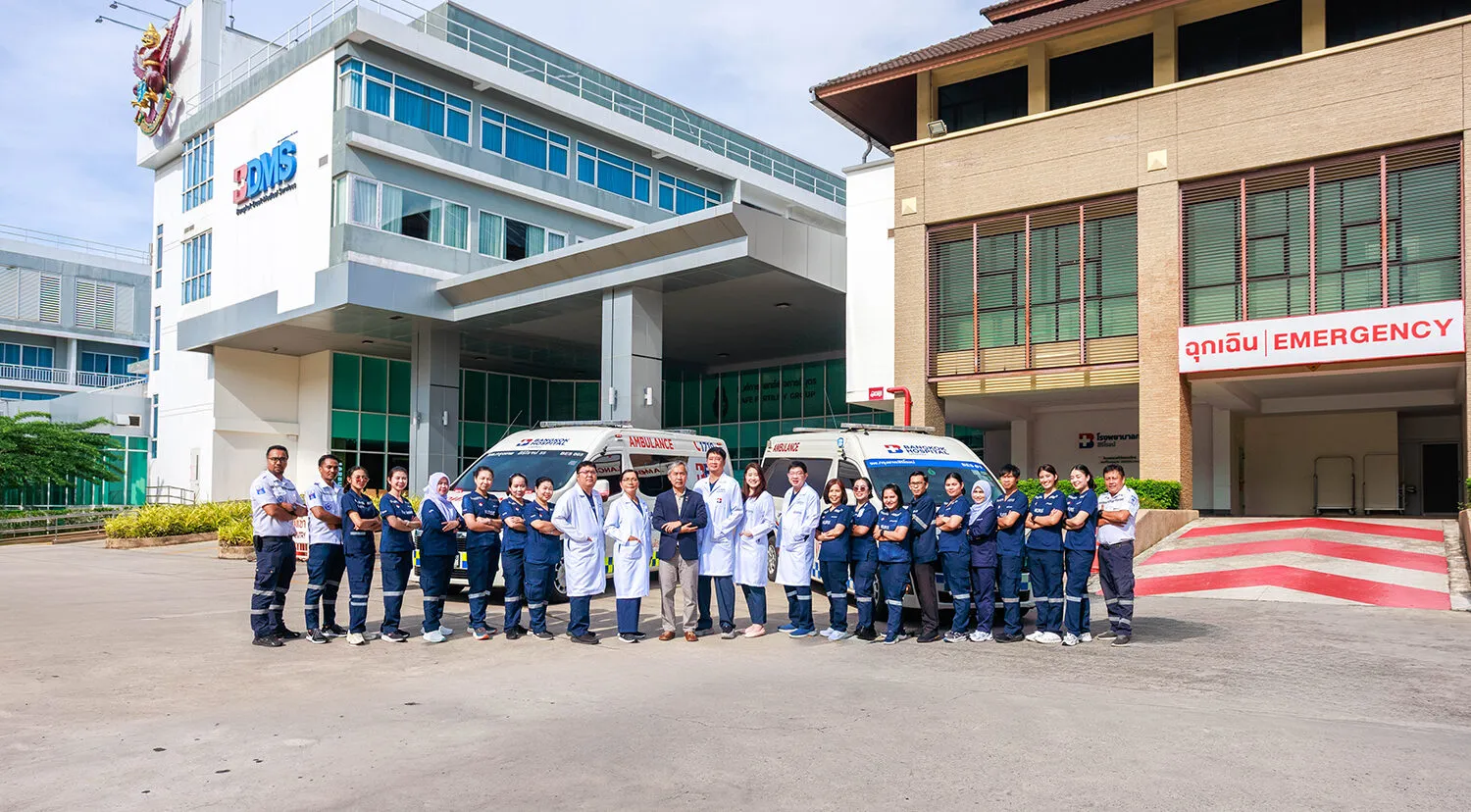
Bangkok Hospital PhuketLocated in the subdistrictBangkok Hospital Phuket is a private international hospital in Talat Yai, Phuket Town. It provides 24-hour emergency care, specialist consultations, diagnostic imaging, surgery, intensive care and inpatient treatment. The hospital has departments covering cardiology, orthopaedics, women's health, paediatrics and other medical specialties. It also offers international patient assistance and support with medical insurance arrangements.
Bangkok Hospital SirirojLocated in the subdistrictBangkok Hospital Siriroj is a major private hospital in Wichit, Phuket, serving local and international patients. It offers emergency care, medical consultations, diagnostic services and a wide range of specialist treatments. Although farther from Chalong than some local clinics, it provides an additional hospital option for southern Phuket residents needing more extensive medical care.
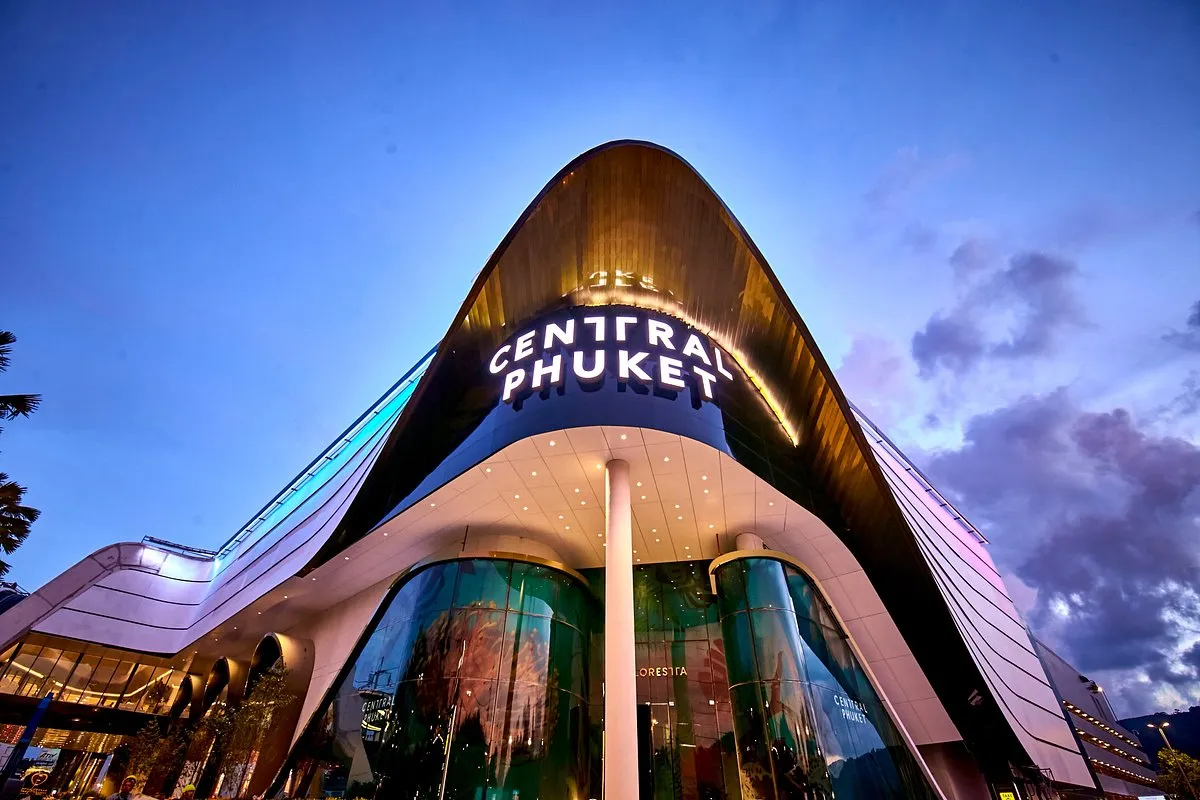
Central Phuket Shopping CentreLocated in the subdistrictCentral Phuket is a major shopping and lifestyle destination in Wichit, Phuket, comprising the connected Festival and Floresta shopping centres. It offers international fashion brands, luxury boutiques, department stores, restaurants, cafés, supermarkets and entertainment facilities. The complex also features a cinema and Aquaria Phuket, providing shopping, dining and family leisure activities in one destination.
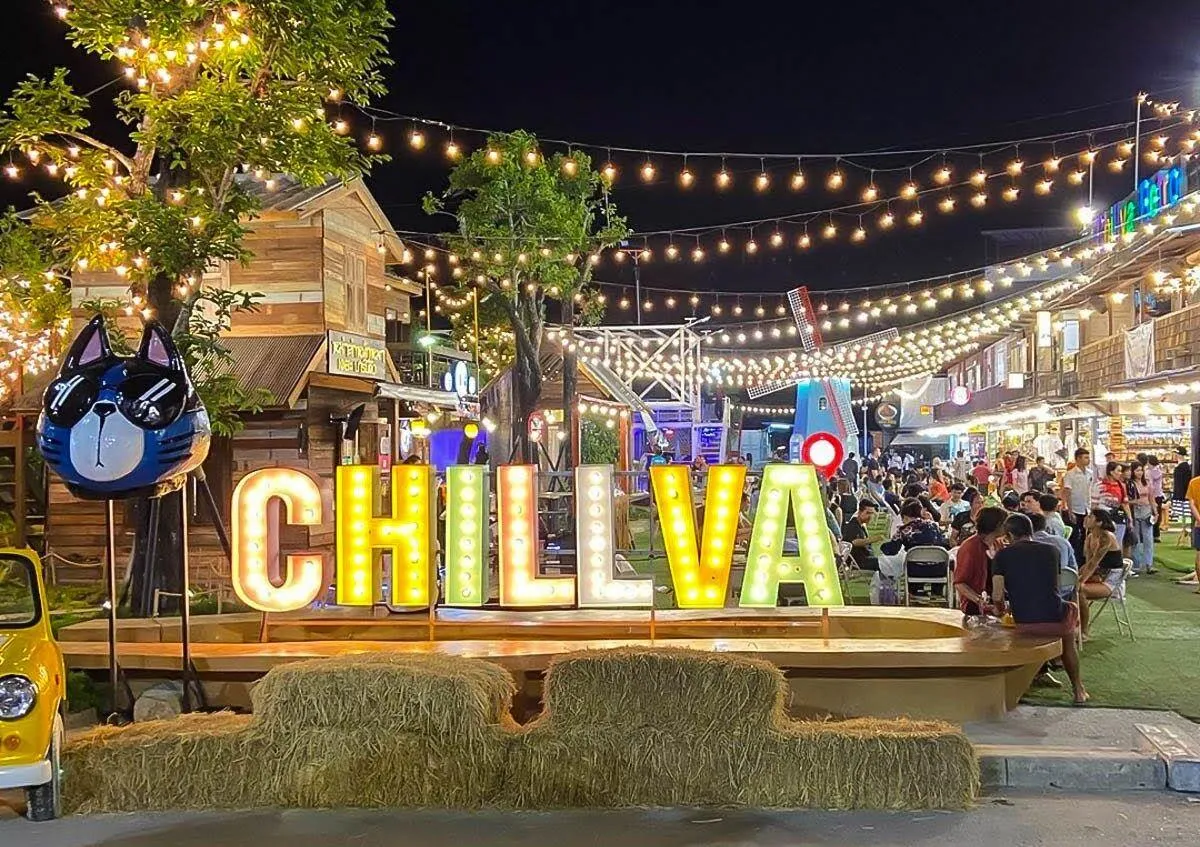
Chillva MarketLocated in the subdistrictChillva Market is a popular evening market on Yaowarat Road in Ratsada, Phuket. Known for its converted shipping-container shops and outdoor stalls, it offers Thai street food, clothing, accessories and casual dining, with occasional live music. The market attracts local residents and visitors seeking an informal shopping and social experience.
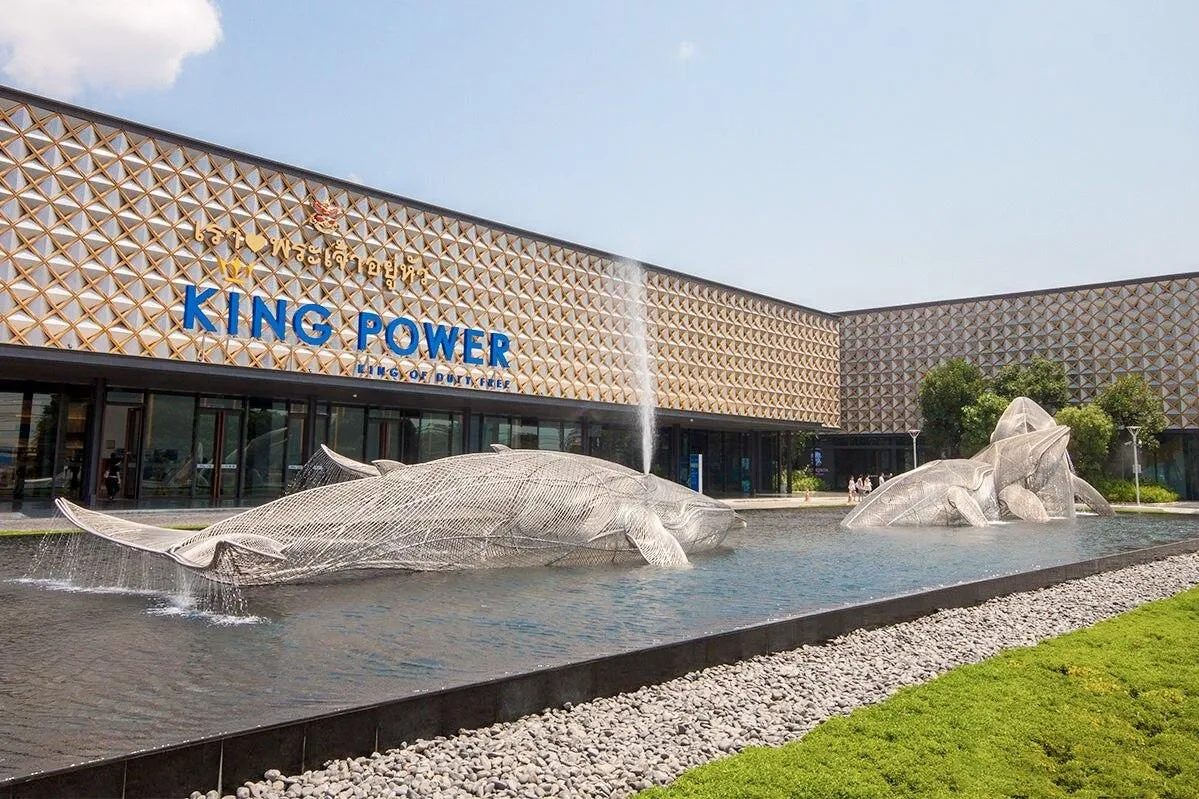
King Power PhuketLocated in the subdistrictKing Power Phuket is a downtown duty-free shopping complex on Chao Fa West Road in Wichit, Phuket. It offers international fashion, cosmetics, fragrances, watches, jewellery and Thai products. Duty-free purchases are primarily intended for eligible international travellers, with applicable passport and flight requirements and airport collection arrangements.
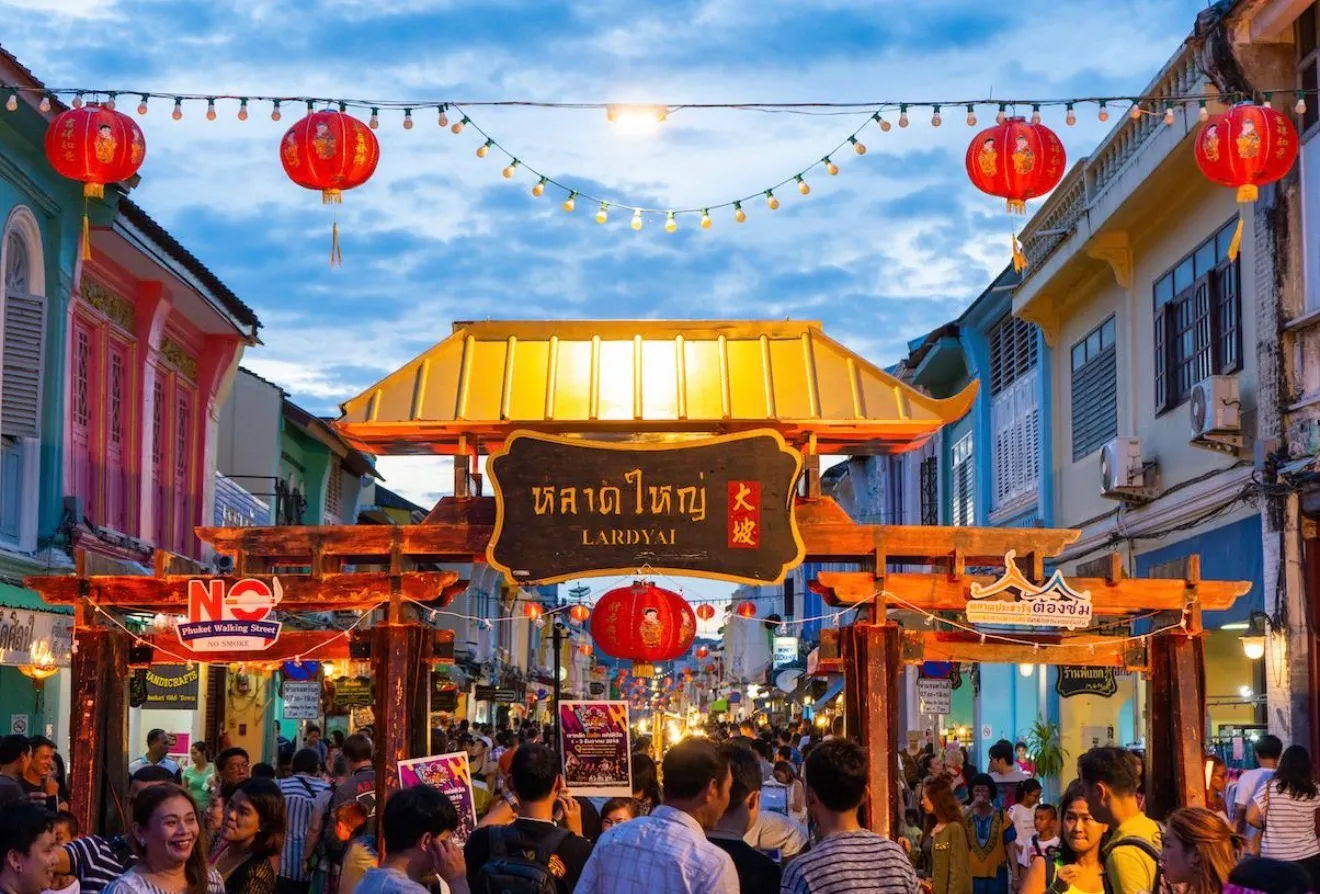
Lard Yai Walking StreetLocated in the subdistrictLard Yai Walking Street is a popular weekly market held along Thalang Road in Talat Yai, Phuket Old Town. Every Sunday evening, the historic street becomes a pedestrian market featuring southern Thai food, local desserts, handicrafts, clothing and live entertainment. The market operates among colourful Sino-Portuguese shophouses and is an important cultural and commercial attraction in Phuket Town.
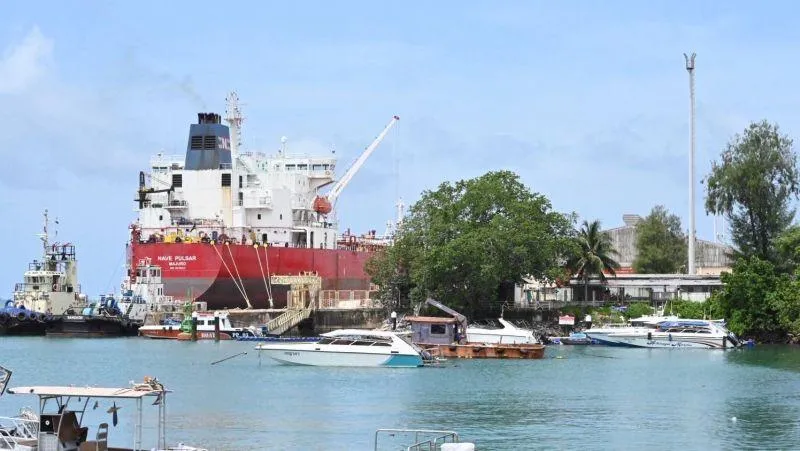
Phuket Deep Sea Port Cruise Terminal DevelopmentLocated in the subdistrictPhuket Deep Sea Port Cruise Terminal Development is a proposed upgrade of the existing port at Ao Makham in Wichit. Government plans include improvements to navigation channels, mooring facilities and ship-turning areas, followed by a larger cruise terminal through a potential public-private partnership. The project aims to accommodate larger cruise ships, but construction approval and completion dates remain unconfirmed.
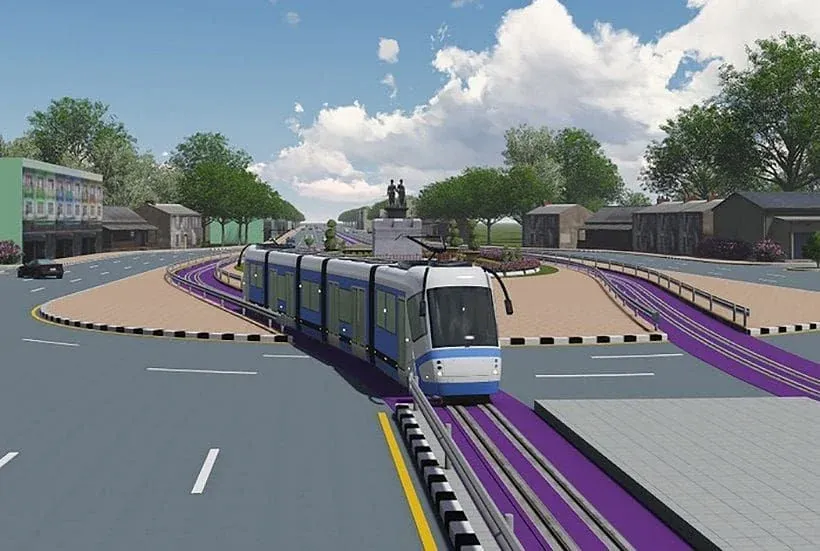
Phuket Airport–Chalong Light Rail ProjectLocated in the subdistrictThe proposed Phuket light rail system would connect Phuket International Airport with Chalong Five-Way Intersection, with a planned station and park-and-ride facility in Chalong. The project is intended to provide an alternative to road transport, but it remains under feasibility and public-private partnership review. Construction and opening dates are not confirmed, so buyers should not assume the service will be available.