
Kathu District · Phuket

Patong Area Guide

About Patong

Patong is one of Phuket's most established tourism and commercial centres, located on the island's western coast in Kathu District. The subdistrict occupies a bay surrounded by green hills, with a long sandy beach…
About Patong

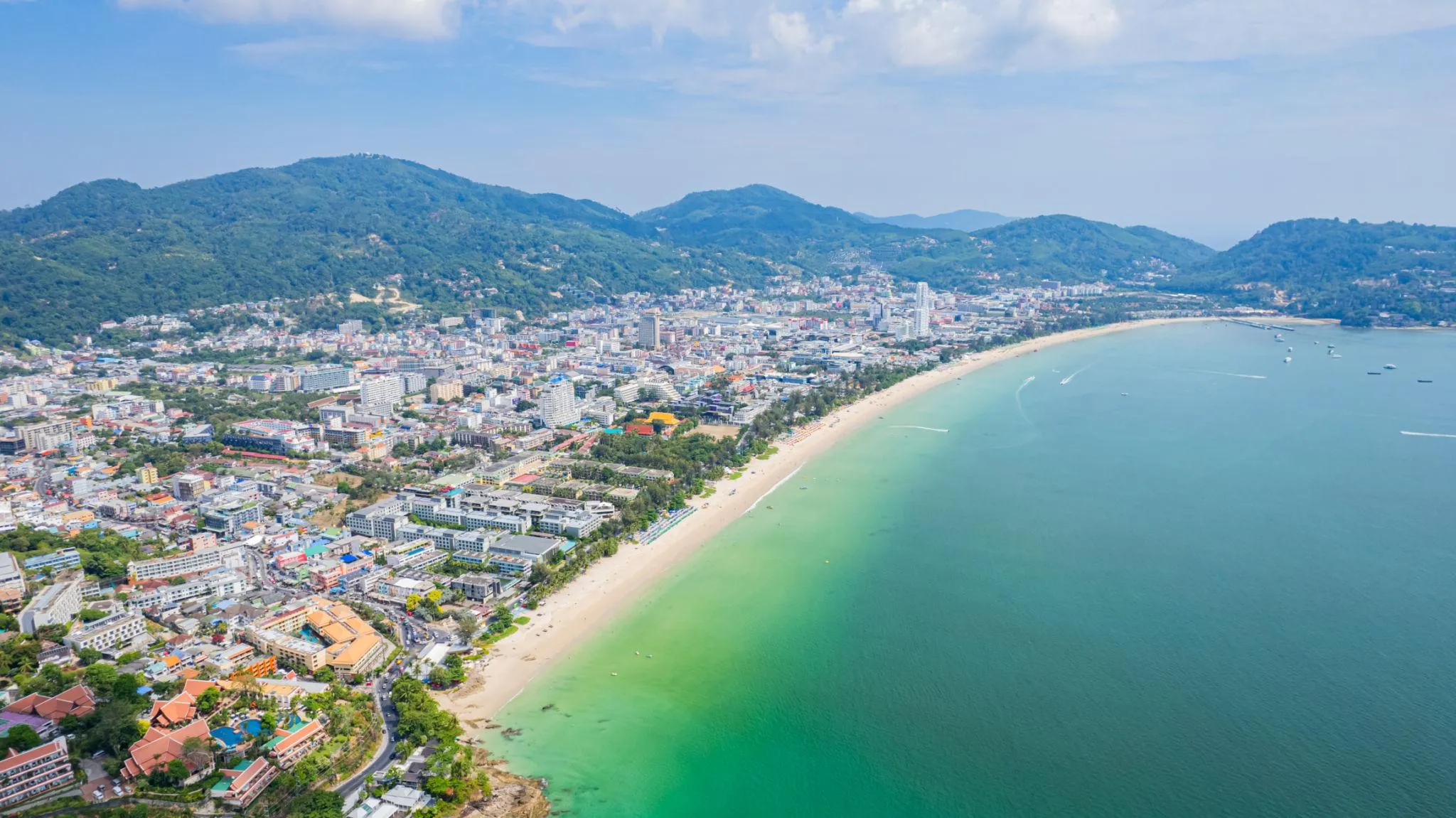
Patong is one of Phuket's most established tourism and commercial centres, located on the island's western coast in Kathu District. The subdistrict occupies a bay surrounded by green hills, with a long sandy beach facing the Andaman Sea and a densely developed town extending inland. Unlike Phuket's quieter coastal villages or predominantly residential neighbourhoods, Patong brings together beachfront tourism, nightlife, shopping, hotels, local communities and residential property within a relatively compact area. The geographical setting is important to understanding Patong. According to Patong Municipality, the municipal area covers approximately 16.4 square kilometres, with hills surrounding the bay to the north, east and south. The flatter land lies mainly behind the beach, where much of the commercial centre has developed. Residential and resort buildings also extend onto the surrounding slopes, creating significant differences in access, views and living conditions between properties in the town centre and those in elevated locations. Patong Beach is the area's defining natural landmark. Stretching for approximately three kilometres, the broad sandy shoreline attracts visitors for beach walks, sunbathing, swimming when conditions are safe and various water-based activities. Restaurants, hotels, shops and transport services are concentrated around the surrounding streets. Its popularity makes the beachfront lively and convenient, although buyers seeking an uncrowded or secluded coastal environment may find other parts of Phuket more appealing. The beach changes character with the seasons. During calmer periods, swimming and recreational activities are more accessible. During the southwest monsoon, strong waves and rip currents can make entering the water dangerous, even when the weather appears pleasant. Lifeguards operate designated swimming areas, and beach warning flags should always be followed. Buyers choosing Patong specifically for beach access should understand that proximity to sand does not guarantee safe swimming throughout the year. At the northern end of the bay, Kalim offers a different coastal environment. Kalim Beach is smaller and rockier than the main Patong shoreline, with coral and exposed rocks in places. Its appeal lies more in coastal scenery, dining and the character of its seafront than in conventional beach swimming. The surrounding area includes resorts, apartments and private residences, some positioned to take advantage of sea views. Although Kalim can feel less intense than central Patong, traffic and activity along the coastal road remain relevant. The southern side of Patong also includes headland and hillside environments that contrast with the town centre. Properties in these areas may offer elevated views over the bay, greater separation from the busiest streets or access to smaller coastal destinations. However, hillside locations introduce practical considerations such as steep roads, parking, drainage and the condition of retaining structures. A property with an impressive sea view should not automatically be assumed to have easy pedestrian access to Patong Beach. Patong's town centre is shaped by tourism and entertainment. Bangla Road is its best-known nightlife destination, with bars, clubs, live music and late-evening pedestrian activity. The surrounding streets contain hotels, restaurants, massage businesses, retail shops and other visitor-oriented services. For some buyers, this concentration of entertainment is a major lifestyle advantage. For others, particularly those seeking a quiet permanent home, the same environment may be a significant disadvantage. Residential buyers should recognise that Patong is not one uniform neighbourhood. The central beachfront and commercial streets generally offer strong access to shops, restaurants and visitor amenities, but also greater activity and potential noise. Areas around Sai Nam Yen combine accommodation, community facilities, local businesses and access to Patong Hospital. Nanai, farther inland, includes apartment buildings, guesthouses, local residences, restaurants and routes leading towards the hills. Kalim and the southern slopes provide further alternatives, each with different road conditions and development patterns. Patong Municipality identifies seven established communities, including Nanai, Sai Nam Yen, Kalim and the Patong Beach community. This reflects a town with a permanent local population and working neighbourhoods alongside the tourism economy. People who live in Patong year-round share the area with hotel staff, business owners, restaurant workers, long-stay residents and holiday visitors. The result is a more commercially active and socially varied environment than a purpose-built residential resort. The property market reflects these different uses. Condominiums and apartment-style properties are a prominent feature of Patong's built environment, especially around the centre and on developed hillsides. Buyers may also encounter detached houses, townhouses, shophouses and private villas, depending on the neighbourhood. Some buildings are designed primarily for residential occupation, while others have a stronger holiday-accommodation or investment-oriented positioning. These categories should not be treated as legally or operationally equivalent. For buyers considering a condominium, the differences between buildings can be substantial. Older developments may offer established locations and layouts but require closer attention to maintenance, building services and reserve funds. More recent projects may provide modern facilities and attractive marketing presentations, yet their management arrangements, ownership structures, construction status and operating costs must still be verified. The age or appearance of a building alone does not determine its quality or suitability. Hillside villas and sea-view properties represent another segment of the local market. Their attractions can include privacy, terraces, swimming pools and elevated views across Patong Bay. Yet the quality of access roads, gradients, drainage, structural engineering and surrounding construction become especially important. Properties that appear conveniently located on a map may involve steep climbs or indirect routes that make walking and everyday journeys difficult. One of Patong's strongest practical advantages is the availability of commercial services. Jungceylon is a major shopping and leisure complex with supermarkets, retail stores, restaurants and entertainment facilities. Central Patong provides additional department-store shopping and dining. Banzaan Fresh Market offers a different everyday shopping experience, with fresh ingredients and local food vendors. Pharmacies, convenience stores, banks, cafés and other services are found throughout the town. Healthcare access within the subdistrict includes Patong Hospital, a government hospital on Sai Nam Yen Road, together with private clinics and other medical services. More specialised treatment and a broader selection of major hospitals may require travel to other parts of Phuket. Families considering permanent residence should review their healthcare requirements, insurance arrangements and the actual journey to the facilities they expect to use. Schooling deserves similar attention. Patong has local educational facilities, but families seeking particular international curricula may need to travel to campuses elsewhere in Phuket. The suitability of a home for school-age children therefore depends not only on the property itself but also on the daily school journey. The ability to reach an international school somewhere within the wider island should not be confused with having that school inside Patong. Road connections are another defining aspect of life in Patong. The main route east crosses the hills towards Kathu and the rest of Phuket, while coastal roads connect the area with Kamala to the north and Karon to the south. These are important routes for residents, staff, deliveries and tourists. Traffic can be affected by commuting, visitor movements, roadworks and adverse weather. Travel to Phuket Town, schools, the airport or other parts of the island should be evaluated at realistic times of day rather than using a single advertised journey estimate. Within central Patong, some daily activities can be completed on foot. A resident living close to shops, restaurants and the beach may not need to drive for every errand. However, pedestrian convenience varies considerably. Busy intersections, parked vehicles, uneven footpaths, heat and heavy rain can reduce comfort, while properties on hillside roads may be difficult to reach without a vehicle. A central address and a walkable lifestyle are not necessarily the same thing. Patong's relationship with tourism creates both opportunities and pressures for property owners. The presence of accommodation businesses, restaurants, entertainment venues and visitor services provides a broad local economy. Properties that are legally and practically suitable for holiday accommodation may attract interest from visitors, but rental demand must be assessed at the level of the individual property. Occupancy, achieved rates, management fees, seasonal patterns and lawful operating arrangements all affect financial performance. Buyers should be particularly cautious about rental-income projections. The fact that Patong is a popular tourist destination does not establish that every condominium or villa can be operated as short-stay accommodation. Building regulations, management rules, the property's legal classification and applicable accommodation licensing requirements can restrict how a unit is used. Guaranteed-return marketing claims require independent examination of the contract, responsible party, financial assumptions and enforceability. Environmental conditions are an important part of property due diligence in Patong. The town's geography combines steep surrounding hills with lower-lying developed areas. During intense rainfall, runoff from higher ground can place pressure on drainage systems and affect particular streets. Hillside plots may also require investigation of slope stability, earthworks and retaining structures. These are location-specific considerations; they do not mean that every property in Patong faces the same exposure. The serious rainfall and debris-flow incidents affecting parts of Nanai in October 2026 demonstrate why this research matters. Buyers should obtain information about previous flooding, road closures, drainage performance and any documented slope movement affecting their chosen plot or building. Visual inspections during dry weather are not sufficient to establish how a property performs during heavy rain. For foreign purchasers, legal structure is as important as location. A registered condominium unit may qualify for foreign freehold ownership if the legal requirements and foreign ownership quota are satisfied. Land and villa transactions involve different legal considerations, as direct foreign ownership of land in Thailand is generally restricted. Buyers should use independent legal advice to verify the actual rights being acquired, rather than relying on terms such as freehold, leasehold or investment property without examining the underlying documents. Patong's property appeal is therefore closely tied to the buyer's intended lifestyle. Someone who wants immediate access to restaurants, shopping, nightlife and a busy beach environment may find the central area particularly attractive. A buyer interested in coastal views may prefer Kalim or an elevated residential location, accepting different access and maintenance requirements. A permanent resident seeking quieter streets may find suitable pockets within Patong, but should investigate local noise and traffic carefully. Patong is less likely to satisfy buyers whose priority is a low-density neighbourhood, an extensive private garden, minimal tourist activity or effortless school commuting. Its central advantages are convenience, commercial activity and access to one of Phuket's best-known beaches. Its principal trade-offs include congestion, uneven residential tranquillity, site-specific environmental risks and the need for disciplined property due diligence. The most useful way to approach Patong is to compare individual neighbourhoods and buildings rather than judging the subdistrict as one market. A central condominium, a Nanai apartment and a hillside villa may all carry a Patong address while offering very different experiences. Choosing well requires an understanding of those differences, a realistic assessment of daily living conditions and independent verification of the property's legal and physical condition.

Lifestyle in Patong

Patong offers one of Phuket's most active urban beach lifestyles. Life here revolves around a combination of the seafront, shopping streets, local neighbourhoods and a substantial tourism economy. The atmosphere is noticeably different from…

Lifestyle in Patong

Patong offers one of Phuket's most active urban beach lifestyles. Life here revolves around a combination of the seafront, shopping streets, local neighbourhoods and a substantial tourism economy. The atmosphere is noticeably different from quieter residential subdistricts, with hotels, restaurants, shops and entertainment businesses contributing to activity throughout much of the day and evening. For someone living in central Patong, convenience can be a major advantage. Supermarkets, pharmacies, cafés, restaurants and everyday services are concentrated within the town. Jungceylon, Central Patong and Banzaan Fresh Market provide a choice between modern retail, department-store shopping and fresh-food markets. Many residents can complete routine errands without travelling to Phuket Town, although the usefulness of walking depends on the exact address and local footpath conditions. Patong Beach is a central part of daily life for residents who enjoy the coast. Early walks, exercise along the beachfront and visits to seaside restaurants offer a different experience from the area's busy evening entertainment. The beach can be attractive for swimming when conditions are safe, but water activities are strongly influenced by the seasons. During the southwest monsoon, visitors must pay particular attention to waves, currents and lifeguard warnings. The nightlife around Bangla Road gives Patong a reputation for energy and entertainment. Bars, clubs and live music attract visitors into the evening and night. Residents who enjoy restaurants, social activity and a busy holiday atmosphere may consider this a positive feature. Others may find the volume of nightlife, traffic, music and pedestrian activity tiring, particularly when living close to the main entertainment streets. This nightlife character does not apply equally to every residential street. Nanai, Sai Nam Yen and the surrounding local communities contain a mixture of homes, apartments, businesses and accommodation. Some locations are used mainly for everyday residential life rather than nightlife. However, nearby roads can still carry traffic, delivery vehicles and visitor movements. A quiet viewing during the afternoon does not establish that a property will remain quiet late at night. Kalim, at the northern end of Patong, offers another lifestyle choice. Its rocky coastline, waterfront restaurants and hillside properties create a different setting from the central beachfront. Residents may appreciate the views and relative separation from the most concentrated nightlife areas. The coastal road remains an important traffic route, however, and some addresses are exposed to road noise or steep access conditions. The southern hillsides provide further contrasts. Elevated residences may offer sea views, private outdoor areas and more separation from commercial streets. These homes can appeal to buyers who enjoy spending time at home while retaining access to Patong's restaurants and services. The disadvantage is that steep roads and a lack of convenient pedestrian routes can make everyday journeys more dependent on cars or motorcycles. Patong also has a permanent local community beyond the visitor economy. Thai households, long-term international residents, employees and business owners live alongside the hotels and holiday accommodation. Local food shops, temples, schools and community facilities form part of everyday life. Understanding this side of Patong is important for anyone considering permanent residence rather than a short holiday. Families may appreciate the convenience of local shops, healthcare and recreational facilities, but school access and the general living environment need careful consideration. The main international-school campuses are not concentrated in Patong itself. Depending on the chosen school, travelling across the hills or through busy roads may become a significant part of the daily routine. Seasonal changes also influence the atmosphere. Visitor numbers, hotel activity and commercial demand can fluctuate, while the rainy season introduces heavy showers and sometimes challenging road and beach conditions. Residents living close to hillsides or low-lying roads should understand local drainage and access arrangements. These practical differences may be particularly noticeable for people accustomed to quieter or less densely developed neighbourhoods. Patong is best suited to residents who genuinely enjoy a busy coastal town with extensive commercial services, social opportunities and immediate access to tourism-related amenities. It can be convenient for people working locally, buyers who enjoy dining and entertainment,

What Property Buyers Should Know About Patong

Buying property in Patong requires a clear understanding of the difference between a holiday destination and a comfortable permanent residence. Patong offers extensive shopping, dining and entertainment, but those advantages can come with noise,…
What Property Buyers Should Know About Patong

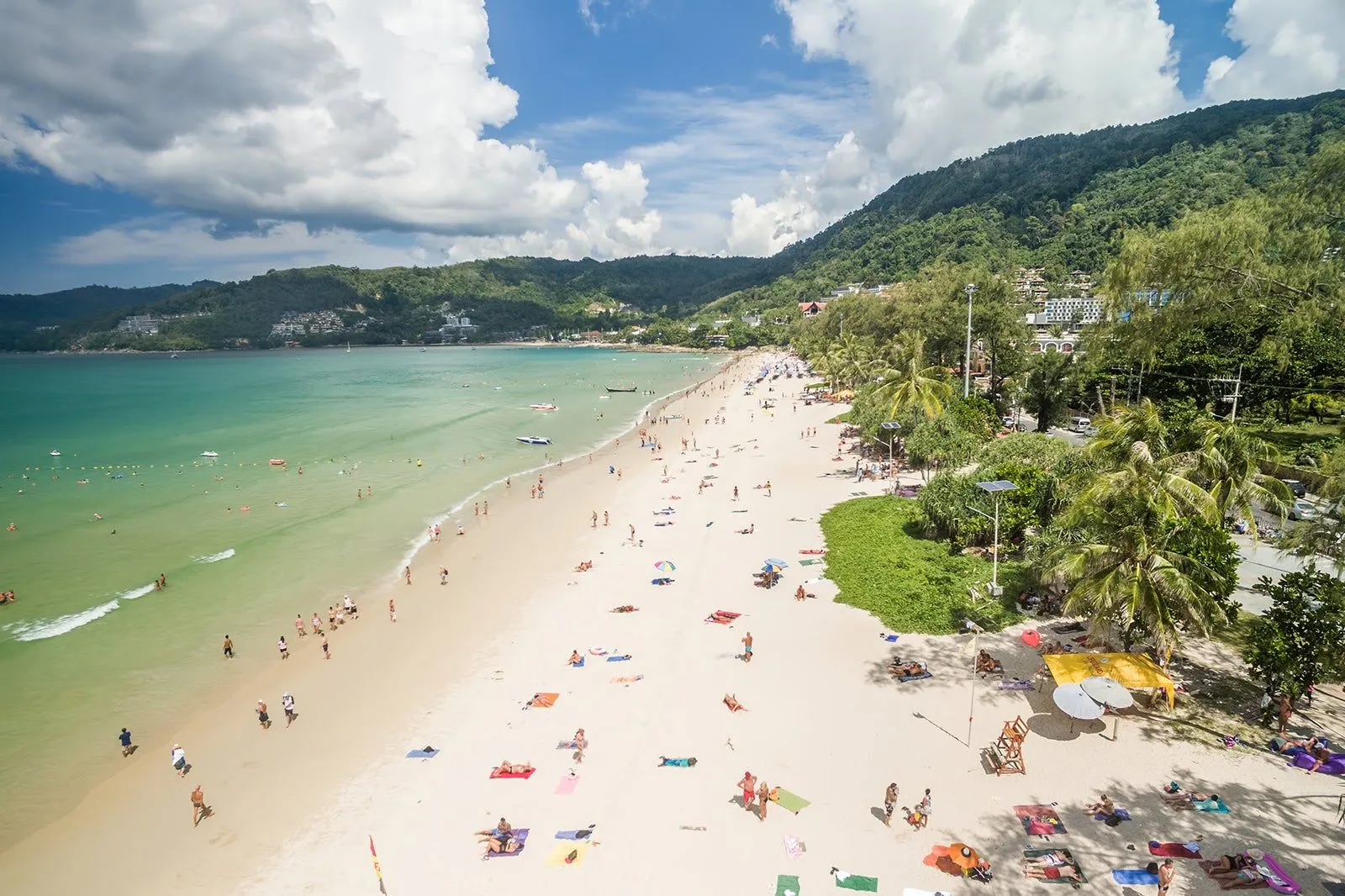
Buying property in Patong requires a clear understanding of the difference between a holiday destination and a comfortable permanent residence. Patong offers extensive shopping, dining and entertainment, but those advantages can come with noise, traffic, building density and seasonal pressures. The right property depends on how the buyer intends to use it, where it is located and whether its legal and physical condition can be independently verified. The first decision is which part of Patong suits the intended lifestyle. A condominium near the central shopping and entertainment streets may offer convenient access to restaurants, shops and the beach, but may also be exposed to late-night activity. A residential property around Nanai or Sai Nam Yen may have a different mix of local services and traffic. A hillside home or Kalim sea-view property may offer greater separation from the centre, but involve steep roads, more maintenance and reduced walkability. Each location should be assessed individually. Noise deserves more attention than a single daytime viewing can provide. Inspect the area during the evening, late at night and on a busy weekend. Check for neighbouring bars, entertainment venues, hotels, restaurants, delivery areas and major roads. Ask whether nearby premises operate late and whether surrounding plots may support further commercial development. For condominium purchases, investigate noise from corridors, common areas, swimming pools and other units as well as the street outside. Traffic and access are equally important. Patong relies on roads crossing the surrounding hills and connecting with neighbouring coastal subdistricts. Journey times can vary with commuting traffic, tourism, weather and roadworks. Buyers travelling frequently to schools, workplaces or hospitals outside Patong should test their routes at realistic times of day. On-site parking, vehicle access, turning space and arrangements for visitors or deliveries may be particularly important in densely developed streets. Walkability should be verified rather than assumed. A property advertised as close to Patong Beach may still be separated from the shoreline by busy roads, limited pedestrian crossings or steep gradients. Inspect the walking route in person, including its condition during rain and after dark. For hillside residences, even a relatively short map distance may involve an inconvenient climb. Flooding and hillside runoff are major location-specific due-diligence issues. Patong's surrounding hills drain towards lower-lying developed areas, and intense rainfall can overwhelm particular drainage routes. On 26 October 2026, severe rainfall caused flooding and debris flows affecting sections of Nanai, including areas around Soi Nanai 5 and Soi Nanai 8. These documented incidents do not establish that every property in Patong is flood-prone, but they demonstrate the importance of investigating the exact site. Ask the seller, building management and relevant authorities about previous water entry, blocked drains, access closures and repairs. Examine basement parking, electrical installations, pumps, retaining walls and lower-level rooms for evidence of water damage. For buildings affected by earlier incidents, request engineering reports, repair records and details of any remaining work. Where possible, inspect drainage arrangements and access conditions after heavy rain rather than relying entirely on a dry-season viewing. Hillside properties require additional technical checks. The slope of the land, retaining-wall design, excavation, foundation conditions and stability of neighbouring slopes may all affect safety and future maintenance costs. Obtain independent professional assessments where the site or construction history raises concerns. Establish whether the access road, drainage infrastructure and retaining structures are legally authorised and maintained by a responsible party. A sea view should never be treated as a permanent entitlement without evidence. Examine neighbouring land, existing structures and any planning permissions that could affect the outlook. Similarly, marketing claims about direct beach access, private access routes or nearby facilities should be checked against the property's actual legal rights and physical location. Condominium buyers should investigate the building's registration, ownership quota, management arrangements and financial condition. Ask for the current maintenance budget, common-area charges, sinking-fund position, outstanding debts and any planned major works. Older buildings may require expenditure on lifts, waterproofing, electrical systems, roofs or shared facilities. In newer developments, inspect construction quality and establish whether all advertised amenities are operational and legally available to owners. Foreign purchasers must verify whether a unit is legally registered as a condominium and whether foreign freehold ownership is available under the applicable rules. A hotel-style apartment, serviced residence or accommodation unit is not automatically equivalent to a foreign-freehold condominium. Confirm the title documentation, foreign ownership quota, source-of-funds requirements and transfer procedures through independent legal advice. Villa and land transactions require a separate assessment because direct foreign land ownership is generally restricted. Rental use needs particular scrutiny. Patong's tourism market may make holiday accommodation attractive, but rental permissions vary between properties. Check the legal classification of the building, condominium rules, hotel licensing requirements and any restrictions imposed by management agreements. A unit advertised with a rental programme should not be assumed to permit unrestricted nightly stays. Obtain the complete agreement and have an independent adviser review the rights, expenses and obligations involved. Financial projections should be assessed conservatively. Request evidence of achieved rental income rather than relying solely on advertised rates or projected occupancy. Deduct management charges, platform commissions, cleaning, utilities, repairs, insurance, taxes and periods without bookings. Consider seasonal demand and competing accommodation. Where a developer or operator offers a guaranteed return, investigate the funding arrangements, contractual conditions, duration and financial strength of the party making the promise. For permanent residents, practical services may carry more weight than holiday-rental potential. Patong Hospital provides an established government healthcare facility within the subdistrict, and routine shopping is readily available in the commercial centre. However, families needing a particular international school or specialist hospital may face regular journeys to other parts of Phuket. Buyers should base the decision on their actual household requirements rather than general claims that all services on the island are nearby. Coastal properties also bring maintenance and environmental considerations. Buildings exposed to salt air, wind and heavy seasonal rain may require more frequent attention to external finishes, metal fittings and waterproofing. Check the condition of balconies, windows, drainage outlets and swimming pools. Properties near busy commercial streets may also require greater attention to security, waste collection and shared-building management. Where a property is part of an estate or managed residence, clarify who controls the shared facilities and who pays for repairs. Review any compulsory management or rental contracts and establish whether fees can increase. Confirm that advertised amenities and access rights are included in the legal documents rather than existing only in sales materials. Future infrastructure should not be treated as a guaranteed benefit. Proposed road improvements or transport projects may change, be delayed or fail to receive the necessary approvals. Any suggestion that an individual property will increase in value because of an uncompleted project should be supported by reliable evidence, not simply by promotional claims. Patong may be a suitable choice for buyers who want an active beach-town environment, convenient shopping and restaurants, or a property connected with the tourism economy. The trade-offs are reduced tranquillity in some locations, road congestion, building density and the need for careful environmental and legal checks. Buyers who prioritise a quiet family neighbourhood, extensive open space or a low-maintenance hillside-free setting may find a better match elsewhere. The final decision should be based on the specific building, plot, access and ownership rights rather than Patong's popularity alone.

Beaches in and near Patong

Patong Beach

Patong Beach

Located in the subdistrict

Patong Beach is a roughly three-kilometre sandy bay in Patong, Kathu, and one of Phuket's best-known beaches. Running alongside Thaweewong Road, it is surrounded by hotels, restaurants, shops and entertainment venues. Popular for beach walks and water activities, it also attracts swimmers when conditions are safe. Monsoon waves, rip currents and crowds can affect the beach experience.
Kalim Beach

Kalim Beach

Located in the subdistrict

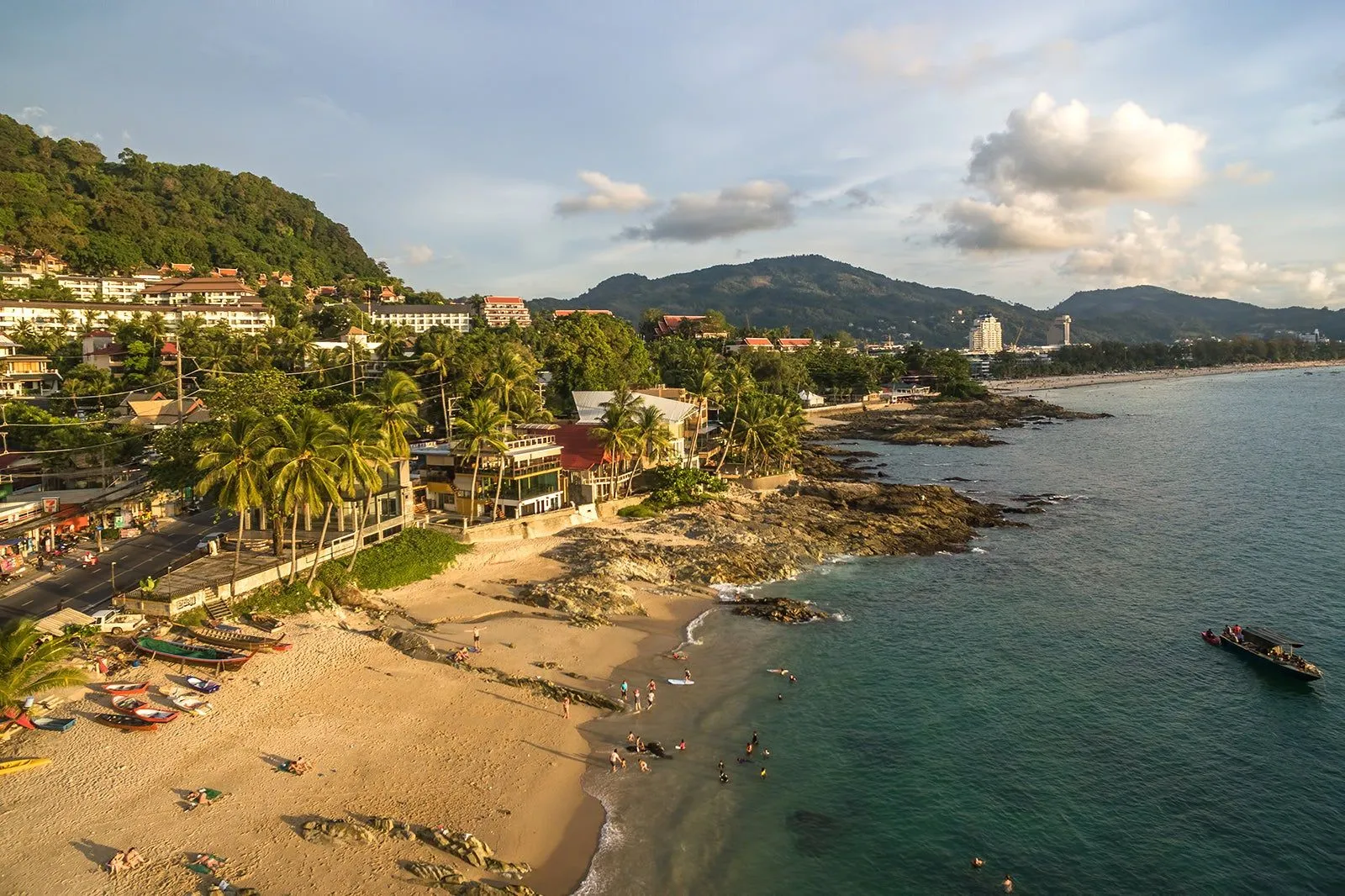
Kalim Beach is a rocky stretch of coastline at the northern end of Patong, Kathu, along the coastal road towards Kamala. Known for sea views, local food stalls and seasonal surfing, it is generally quieter than central Patong Beach. Rocks and coral exposed by the tide make it less suitable for swimming, particularly at low tide.
Tri Trang Beach

Tri Trang Beach

Located in the subdistrict

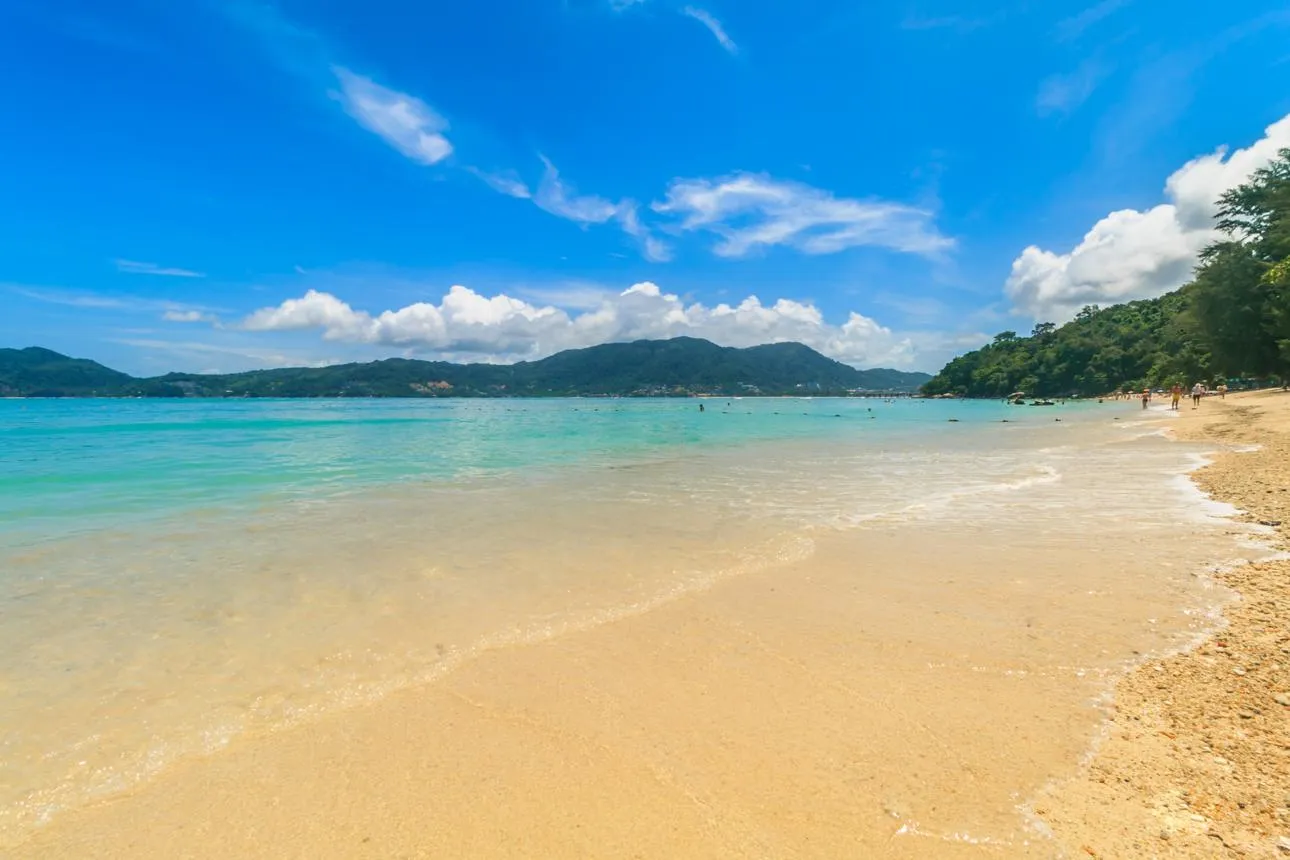
Tri Trang Beach is a relatively quiet sandy beach on the peninsula south of central Patong in Kathu. Its sheltered bay has shallow water, with rocks and coral exposed at low tide. Beachfront resorts and small dining venues sit around the cove. It suits relaxed beach visits and coastal views, while swimming and snorkelling depend on tide and sea conditions.
Merlin Beach

Merlin Beach

Located in the subdistrict

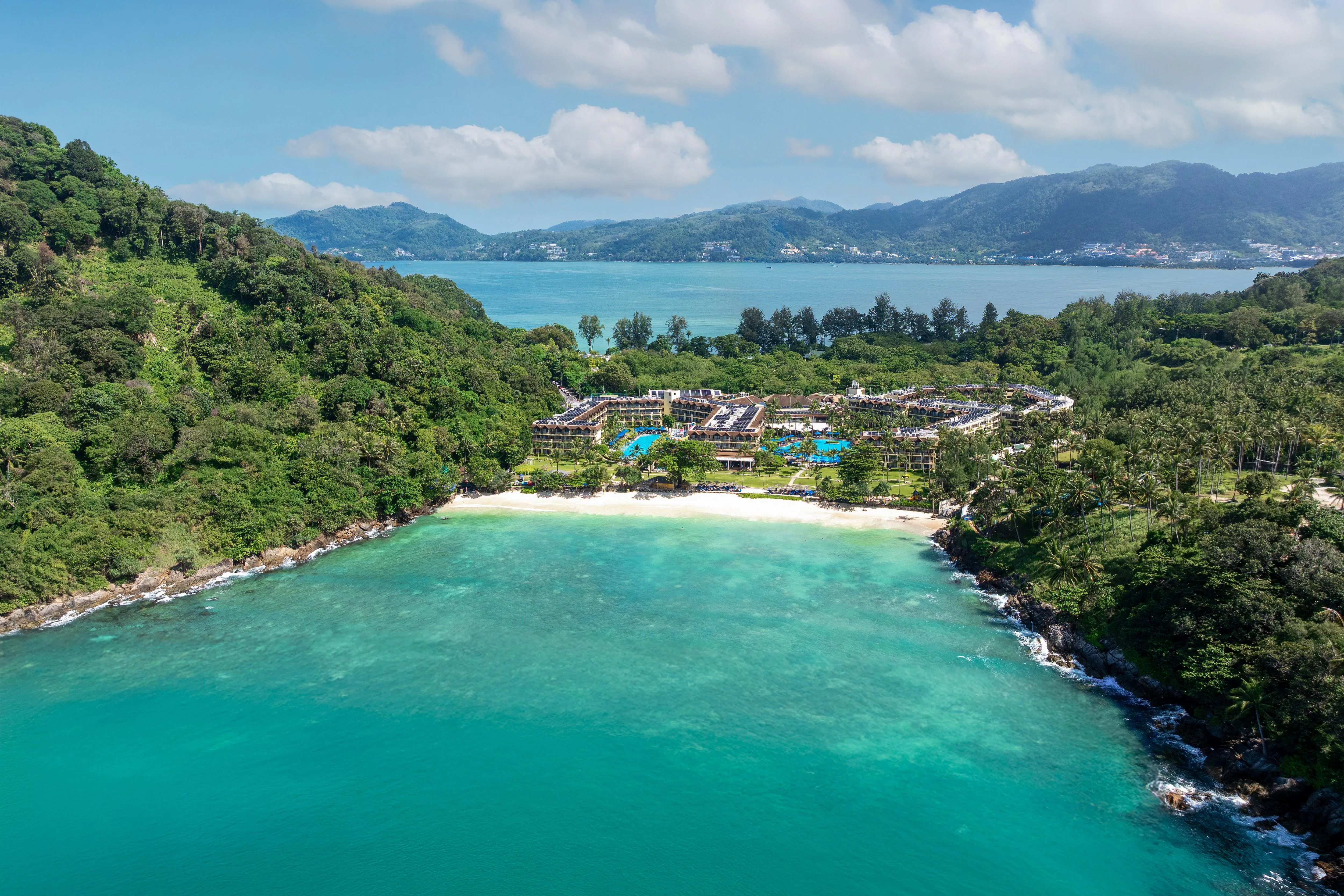
Merlin Beach is a sheltered sandy cove south of central Patong, beside Phuket Marriott Resort & Spa, Merlin Beach. Its shallow shoreline includes rocks and a nearshore coral reef, making it attractive for coastal relaxation and snorkelling when conditions permit. Swimming can be difficult at low tide, and visitors should confirm the public access route rather than assuming resort facilities are available.
Paradise Beach

Paradise Beach

Located in the subdistrict

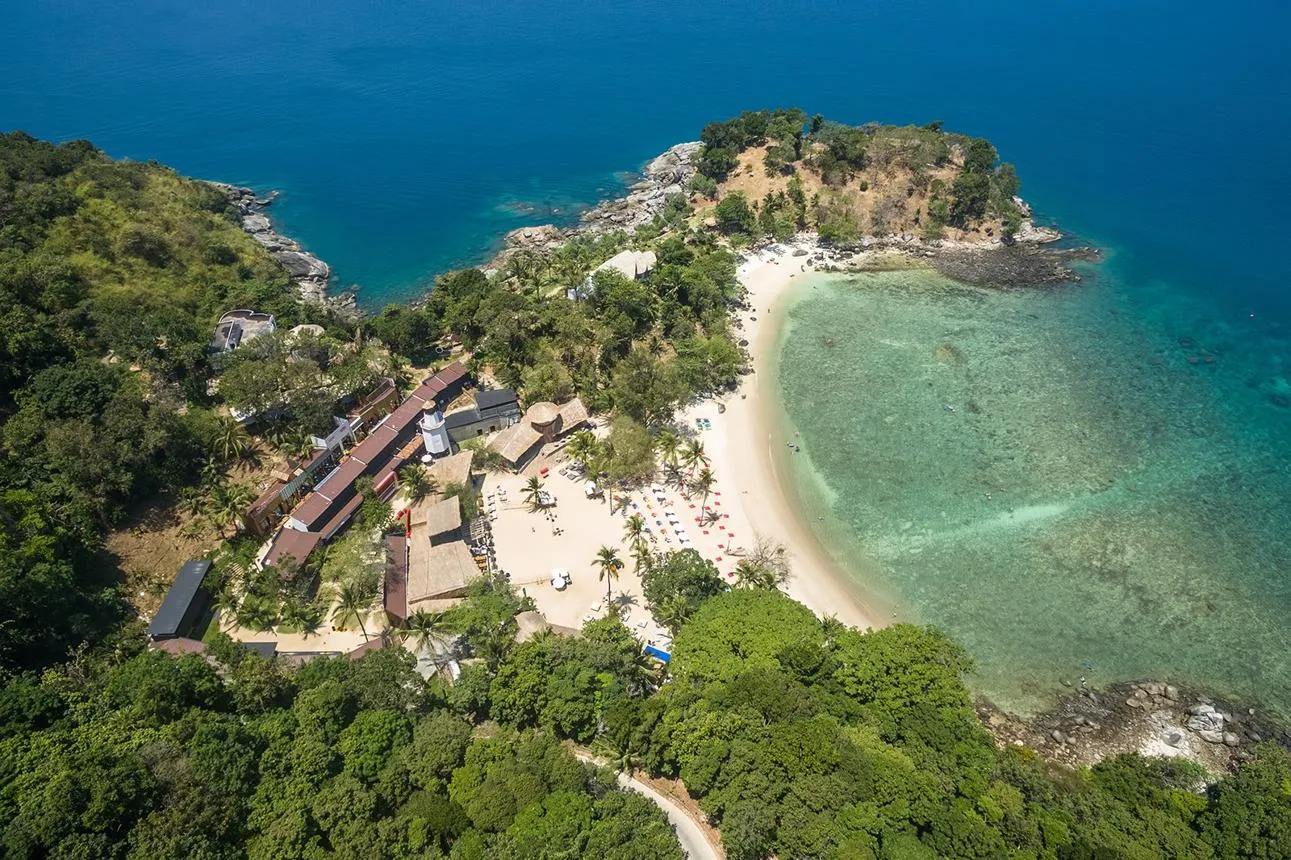
Paradise Beach is a pair of small sandy coves on the wooded headland south of Patong, Phuket. The main cove is operated as a managed beach destination, with loungers, food and drink services, activities and occasional beach events. Rocky edges and tides affect the shoreline, while access arrangements and charges for facilities can change. Check conditions before visiting.
Freedom Beach

Freedom Beach

Located in the subdistrict

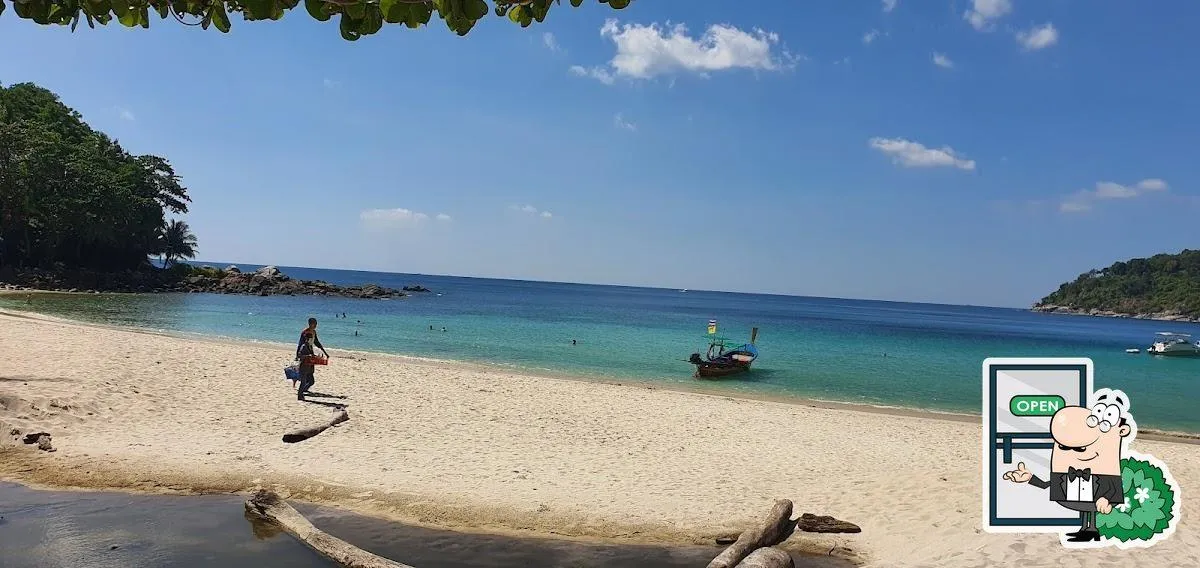
Freedom Beach is a forest-framed sandy cove on the headland between Patong and Karon, Phuket. Known for pale sand, turquoise water and rocky edges, it is reached by a steep walking route or boat when access is permitted. Strong monsoon currents can be dangerous, and official closures may restrict both beach entry and swimming. Check the current status before travelling.

Schools in and near Patong

Kajonkiet International School Phuket (kathu)

Kajonkiet International School Phuket (kathu)

Nearby location

Kajonkiet International School Phuket is a British curriculum international school in Kathu, providing English-language education for children aged 2 to 18. The school follows the National Curriculum for England, with academic pathways through secondary education and Sixth Form. Its landscaped campus, sports facilities and extracurricular programmes make it an established education option for families living in Kathu and central Phuket.

QSI International School of Phuket

QSI International School of Phuket

Nearby location

QSI International School of Phuket is an American-style international school in Kathu, providing English-language education from preschool through secondary school. Part of the Quality Schools International network, it follows a mastery-based learning approach that emphasises individual progress, academic development and critical thinking. The school also offers advanced secondary courses, making it a practical option for international families l
HeadStart International School, Chaofah City Campus

HeadStart International School, Chaofah City Campus

Nearby location

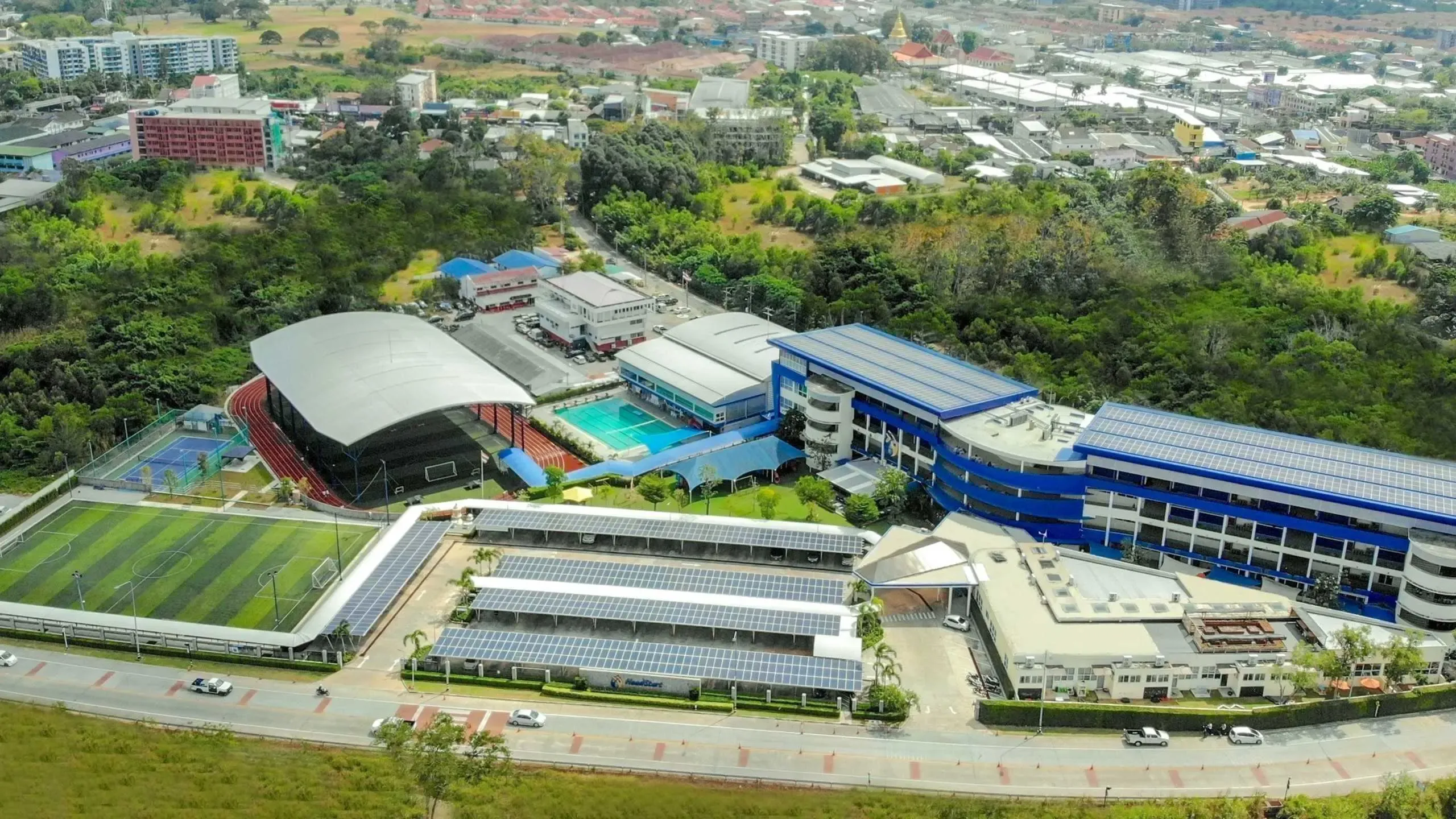
HeadStart International School's Chaofah City Campus is located in Wichit, near Chalong and Phuket Town. It provides British curriculum education from early years through secondary school and Sixth Form, including IGCSE and A Level pathways. The campus offers purpose-built classrooms, sports facilities, science laboratories and extracurricular activities, making it a nearby option for families living in Chalong.
Hospitals & healthcare in and near Patong

Patong Hospital

Patong Hospital

Located in the subdistrict

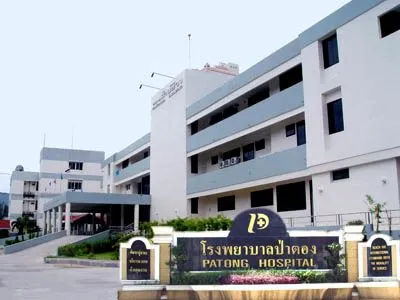
Patong Hospital is a government hospital on Sainamyen Road in Patong, south of Kamala. It provides public healthcare, outpatient consultations, emergency treatment and other medical services. As one of the established hospitals serving Kathu district, it is an important nearby healthcare option for Kamala residents who require hospital treatment beyond the services available at local medical clinics.
Bangkok Hospital Phuket

Bangkok Hospital Phuket

Nearby location

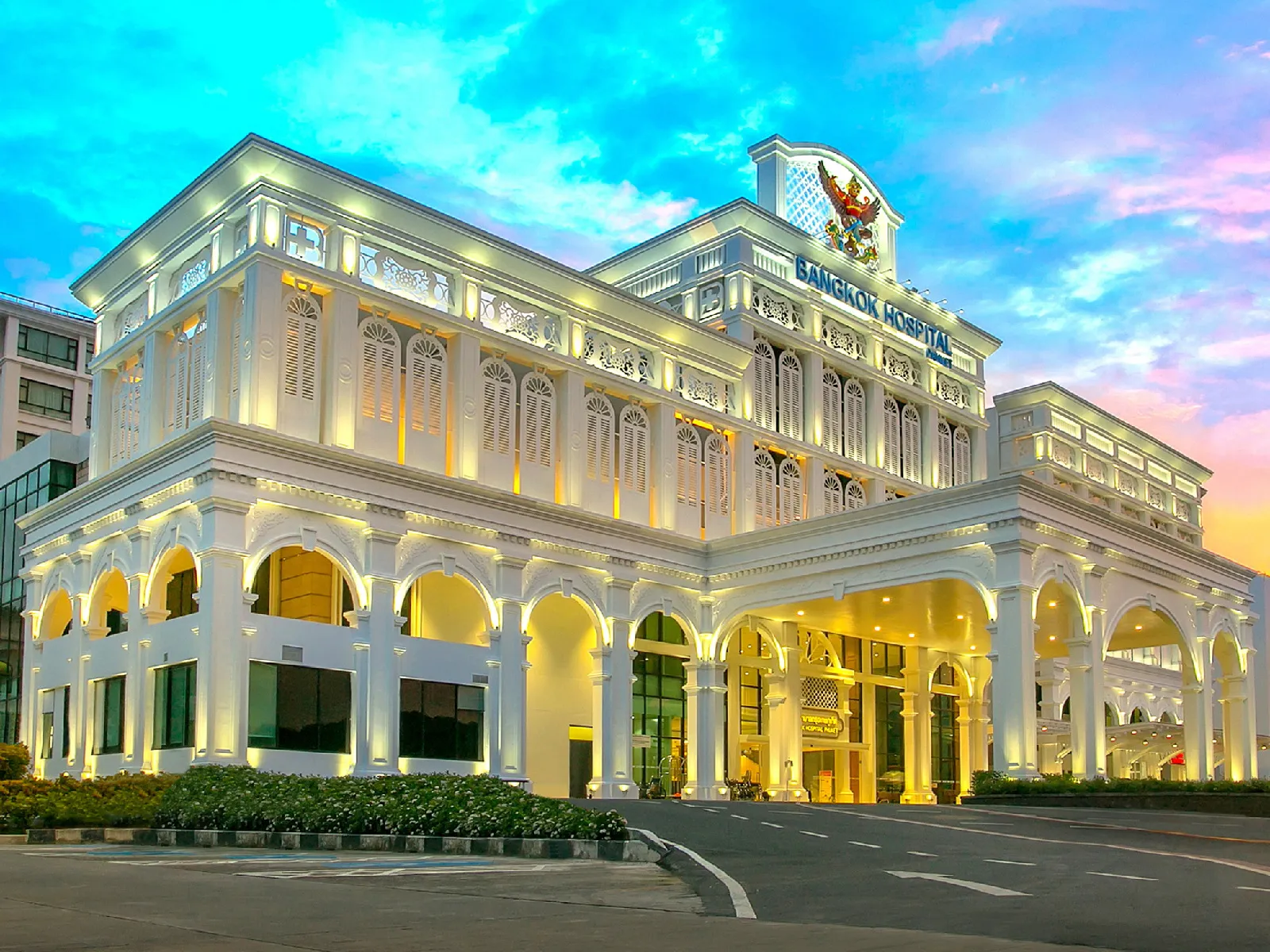
Bangkok Hospital Phuket is a private international hospital in Talat Yai, Phuket Town. It provides 24-hour emergency care, specialist consultations, diagnostic imaging, surgery, intensive care and inpatient treatment. The hospital has departments covering cardiology, orthopaedics, women's health, paediatrics and other medical specialties. It also offers international patient assistance and support with medical insurance arrangements.
Dibuk Hospital

Dibuk Hospital

Nearby location

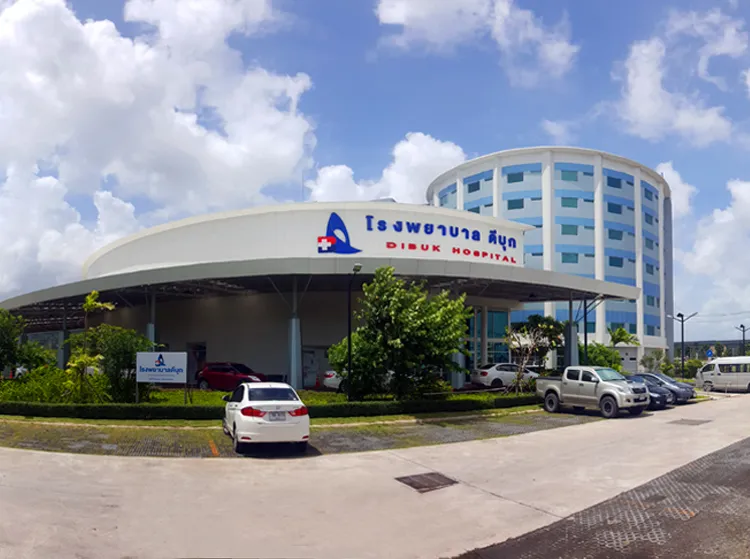
Dibuk Hospital is a private hospital on Chao Fa West Road in Wichit, near Chalong. Part of the Bangkok Dusit Medical Services network, it provides 24-hour emergency care, general medical treatment, health check-ups, paediatric services and selected specialist consultations. It is an important nearby hospital option for residents of Chalong and southern Phuket.
Shopping & commercial destinations in and near Patong

Jungceylon Shopping Center Patong

Jungceylon Shopping Center Patong

Located in the subdistrict

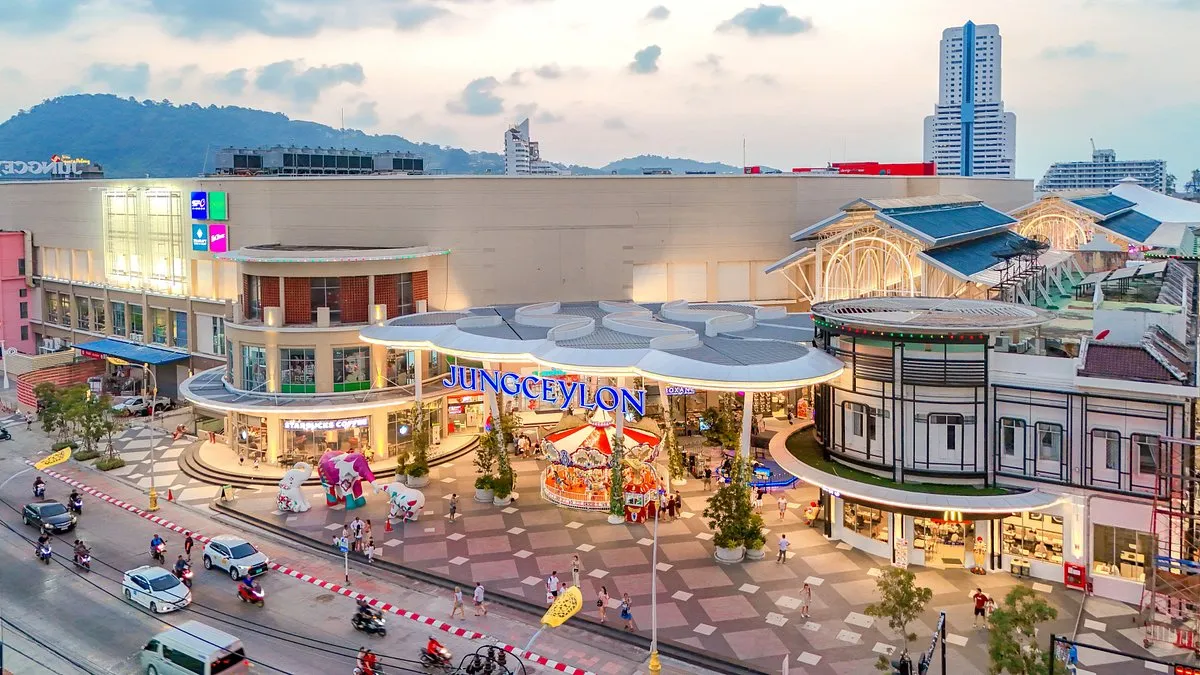
Jungceylon is a major shopping and entertainment centre in Patong, south of Kamala. The mall features international fashion stores, restaurants, cafés, a Big C supermarket, a cinema and family entertainment facilities. For Kamala residents, Jungceylon provides access to a wider range of shopping, dining and leisure options than those available within the local village.
Central Phuket Shopping Centre

Central Phuket Shopping Centre

Nearby location

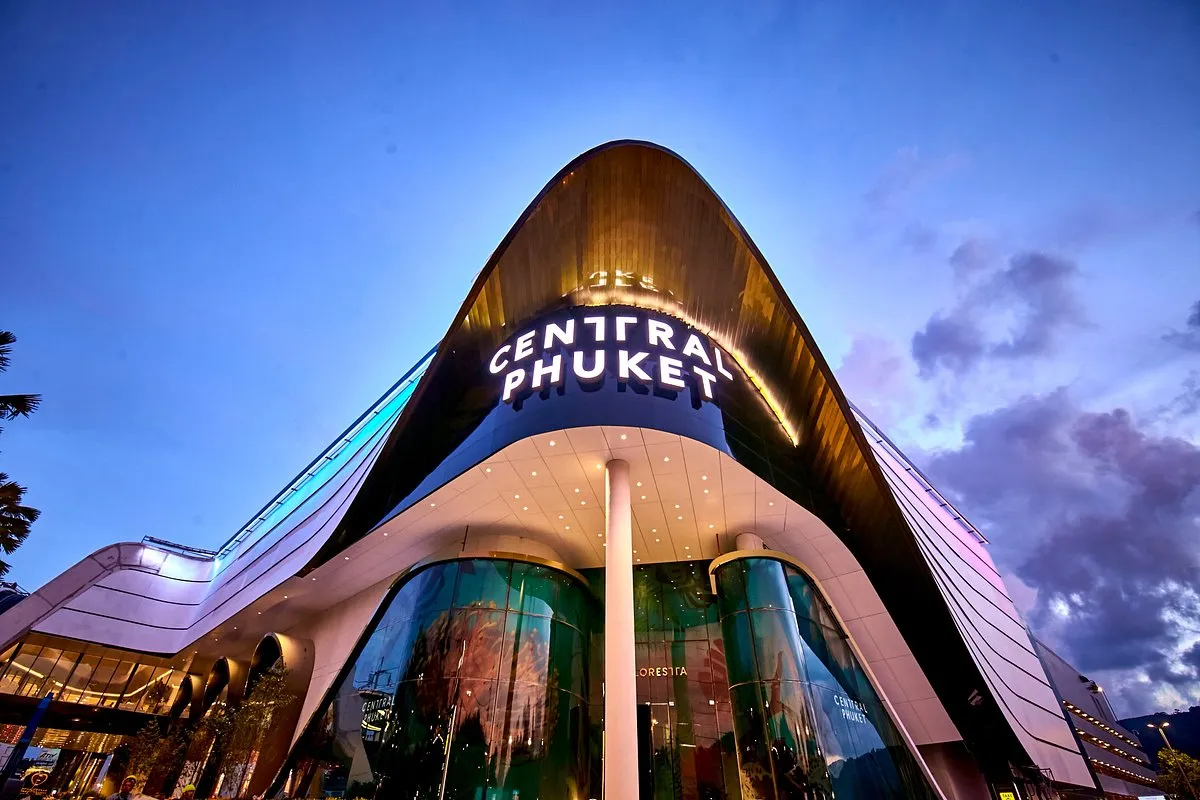
Central Phuket is a major shopping and lifestyle destination in Wichit, Phuket, comprising the connected Festival and Floresta shopping centres. It offers international fashion brands, luxury boutiques, department stores, restaurants, cafés, supermarkets and entertainment facilities. The complex also features a cinema and Aquaria Phuket, providing shopping, dining and family leisure activities in one destination.
Central Patong

Central Patong

Located in the subdistrict

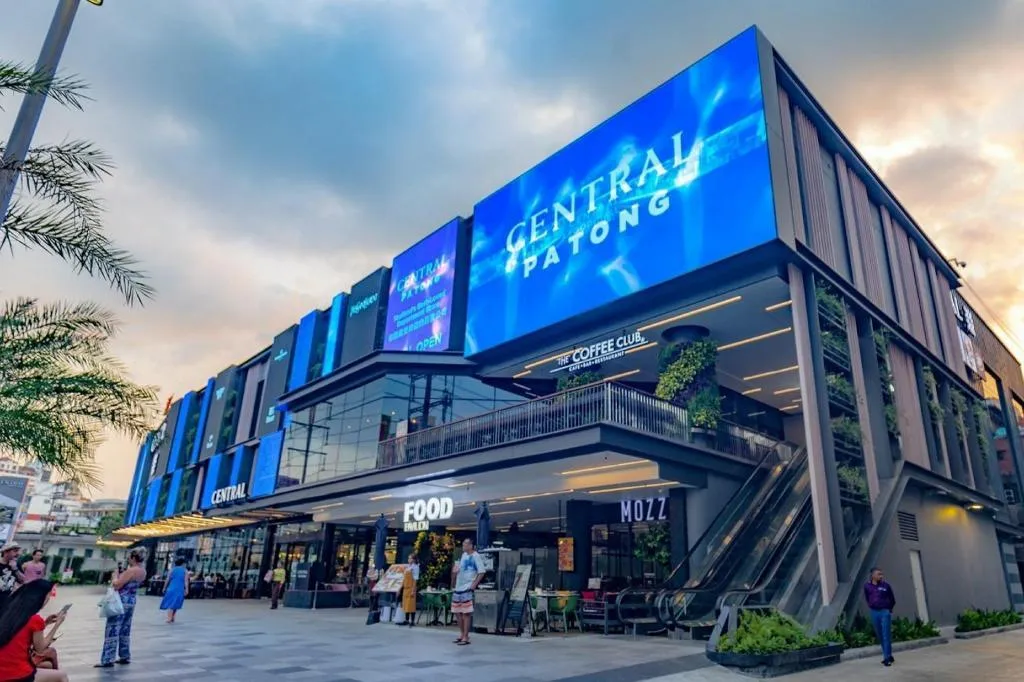
Banzaan Fresh Market is a large two-storey market on Nanai Road in central Patong, behind Jungceylon Shopping Centre. It offers fresh seafood, meat, vegetables, fruit and local ingredients, with an upstairs food court serving prepared meals. Evening food stalls around the market add street food and casual dining options for residents and visitors.
Banzaan Fresh Market

Banzaan Fresh Market

Located in the subdistrict

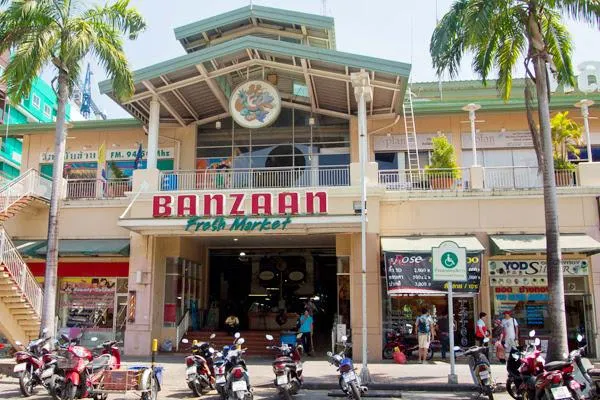
Banzaan Fresh Market is a large two-storey market on Nanai Road in central Patong, behind Jungceylon Shopping Centre. It offers fresh seafood, meat, vegetables, fruit and local ingredients, with an upstairs food court serving prepared meals. Evening food stalls around the market add street food and casual dining options for residents and visitors.
Malin Plaza

Malin Plaza

Located in the subdistrict

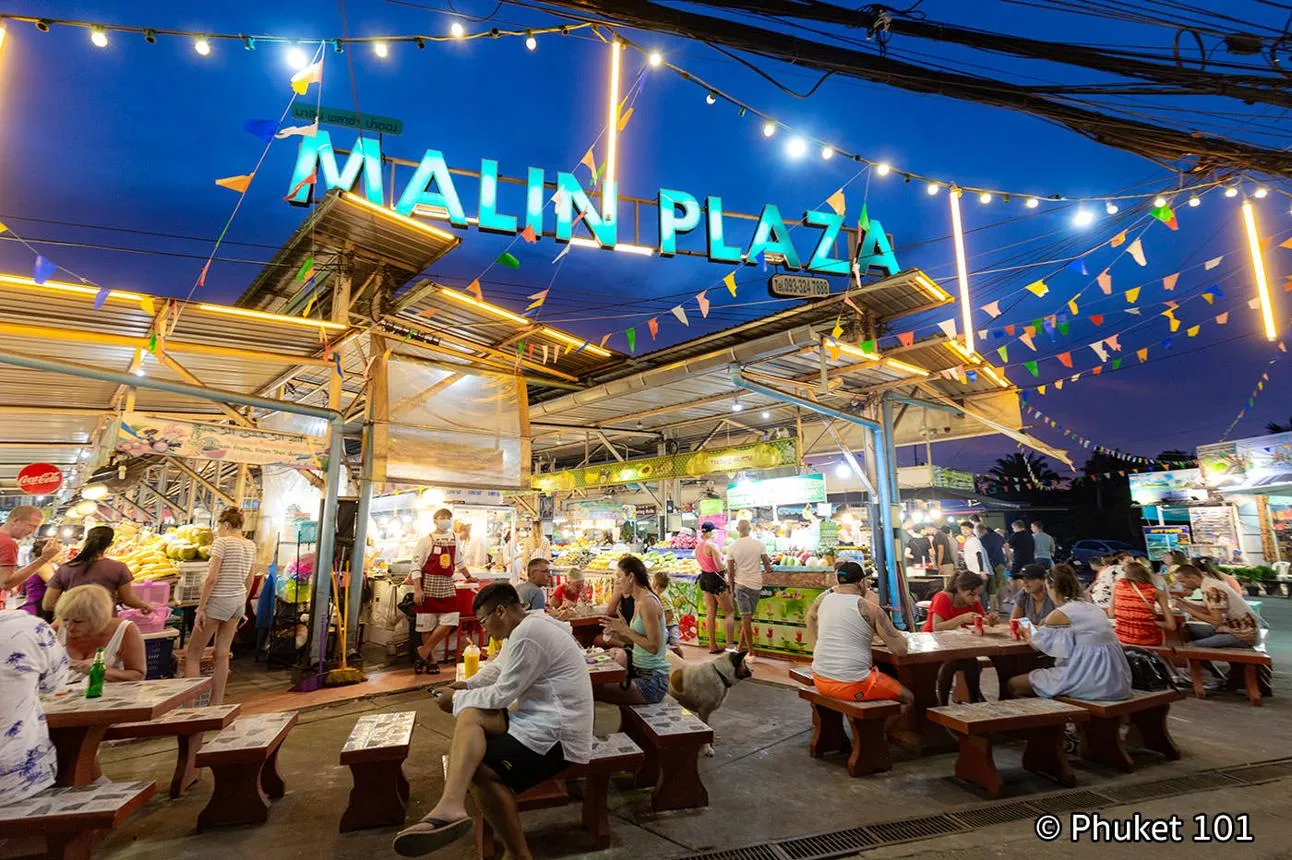
Malin Plaza is a popular open-air market on Prachanukhro Road near the southern end of Patong. It features Thai street food, grilled seafood, fresh fruit, desserts, clothing, beachwear and souvenir stalls. The covered market has shared dining areas and becomes especially lively in the evening, offering a casual shopping and dining experience.
Sports & entertainment in and near Patong

Bangla Road

Bangla Road

Located in the subdistrict

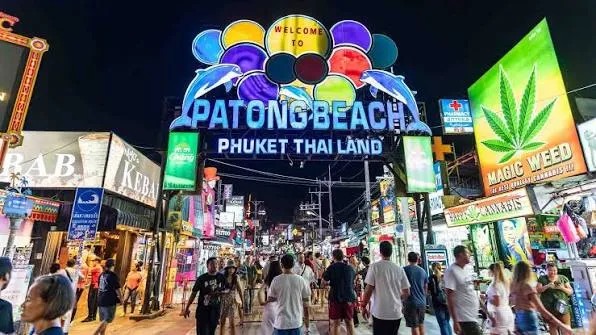
Bangla Road, also known as Bangla Walking Street, is Patong's best-known nightlife street, running inland from the beachfront. After dark, it becomes a pedestrian-focused entertainment area lined with bars, nightclubs, live music venues and restaurants. It attracts large evening crowds, making it a lively destination but also a significant source of late-night noise.

Patong Boxing Stadium

Patong Boxing Stadium

Located in the subdistrict

Patong Boxing Stadium is an established Muay Thai venue on Sai Nam Yen Road in Patong, Kathu. It stages professional fight nights featuring Thai and international competitors, with stadium and ringside seating. The venue also offers Muay Thai training through its associated gym, allowing visitors to experience Thailand's traditional combat sport.
Andamanda Phuket - Kathu

Andamanda Phuket - Kathu

Nearby location

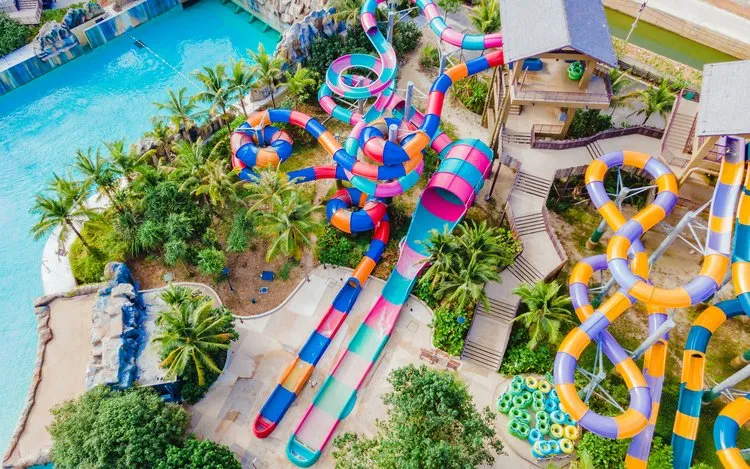
Andamanda Phuket is a large Thai-mythology-themed water park in Kathu, Phuket. Its attractions include major water slides, a wave pool, a lazy river, a FlowRider and children's splash-play areas. Restaurants, cabanas and other visitor facilities support full-day family outings and water-based recreation.
Flying Hanuman

Flying Hanuman

Nearby location

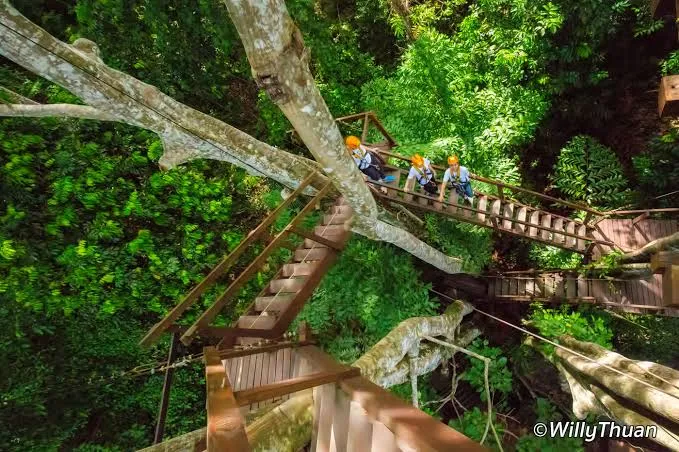
Flying Hanuman is a rainforest adventure park in Kathu, Phuket, near Kathu Waterfall. It offers guided zipline courses, elevated platforms, sky bridges and canopy activities among the trees. Visitors can choose packages with different activity levels, subject to the operator's age, weight and health requirements.
Phuket Surf House

Phuket Surf House

Located in the subdistrict

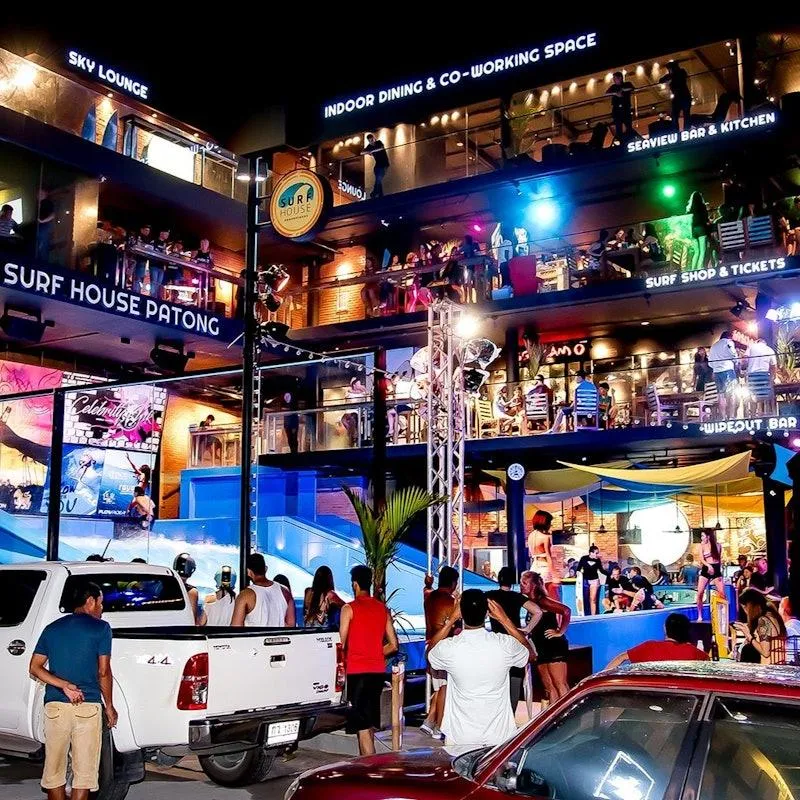
Phuket Surf House at Patong Beach is a FlowRider surfing attraction on Thaweewong Road in Patong. Its artificial standing wave allows visitors to practise bodyboarding and flowboarding with guidance from instructors. The venue also has food and drink facilities, offering a surfing activity independent of the sea's changing conditions.
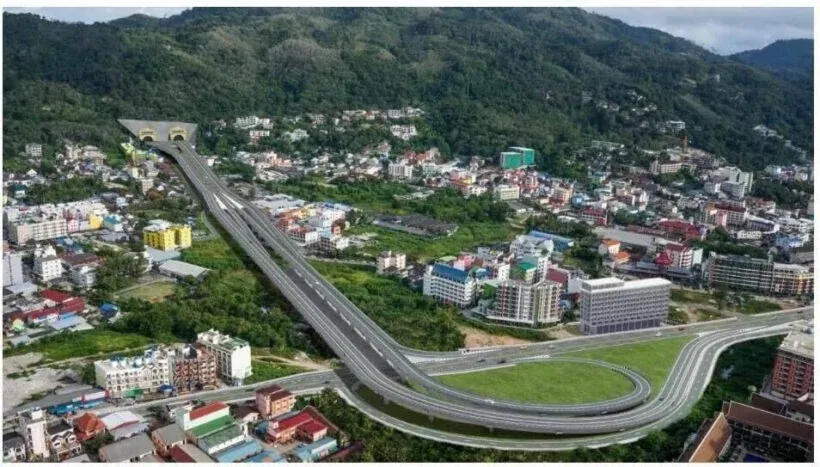
Upcoming developments & infrastructure

Kathu–Patong Expressway Tunnel

Kathu–Patong Expressway Tunnel

Located in the subdistrict

The Kathu–Patong Expressway is a proposed 3.98-kilometre road and mountain tunnel connecting Kathu with Patong in Phuket. Designed to provide an alternative to the existing steep mountain road, the project aims to improve traffic flow, road safety and connectivity. Government plans target construction beginning in 2027 and opening in 2031, subject to Cabinet approval, funding and construction progress.

Phuket Expressway Phase 2 – Khao Kamala Mountain Tunnel

Phuket Expressway Phase 2 – Khao Kamala Mountain Tunnel

Nearby location

Phuket Expressway Phase 2 is a proposed 30.62-kilometre road connecting Mueang Mai, Koh Kaew and Kathu. Its design includes a tunnel through the Kamala mountain range, linking northern Phuket with the wider Kathu–Patong expressway network. The project aims to improve road connectivity and reduce congestion. Detailed planning continues, and construction and opening dates remain subject to government approval.

Find a property

Explore properties in Patong

Browse current listings by subdistrict or choose one of the local areas below. A neighborhood search only includes listings with reviewed area associations.

Browse Patong properties

Local names and branded destinations are not necessarily formal geographic boundaries. The number of reviewed property matches can change.

Considering Patong?

Tell us your budget, property type and buying goal, and we’ll help you narrow down the projects and properties worth comparing.

Patong Phuket Area Guide | Beach, Condos & Local Lifestyle