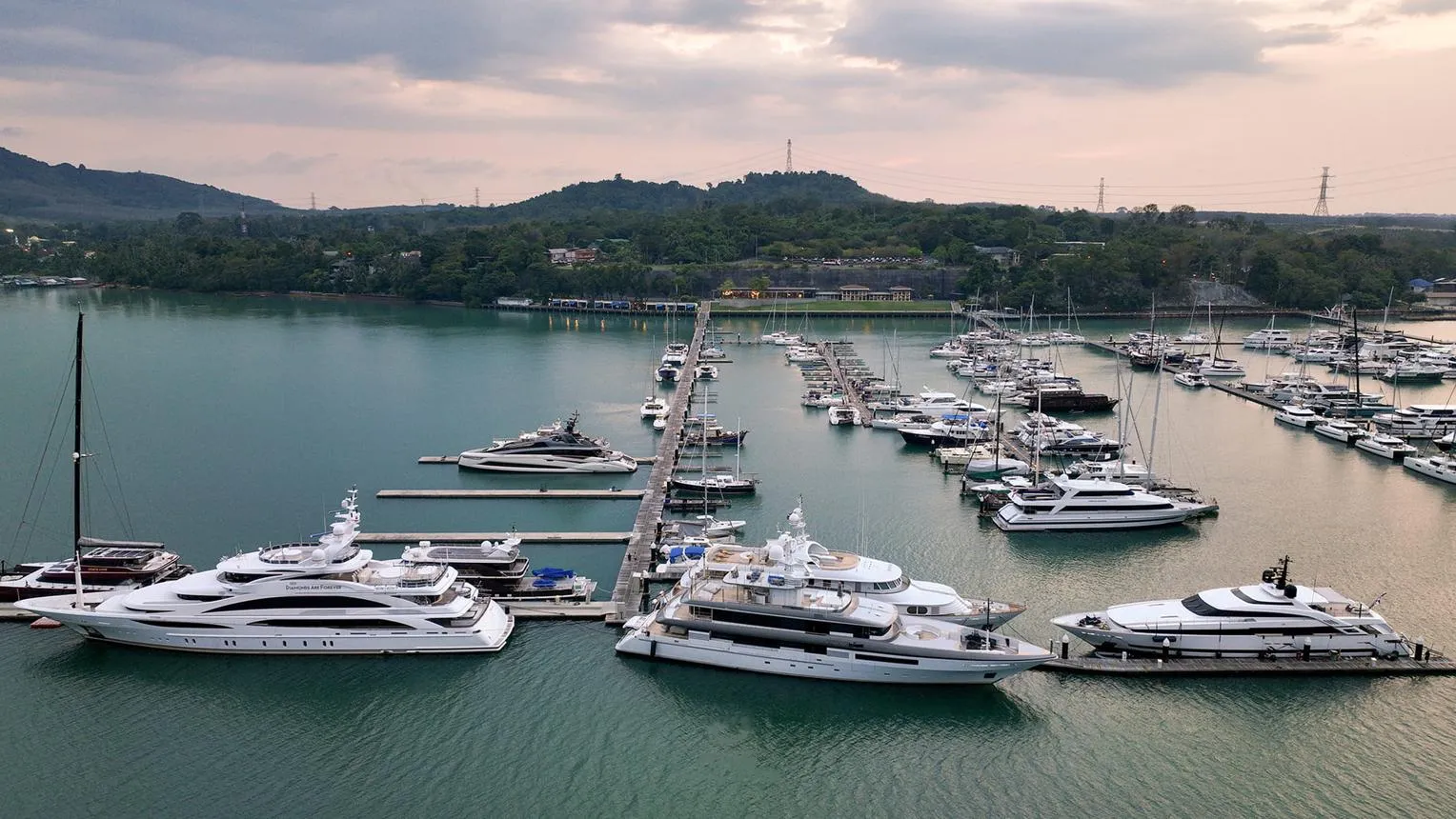
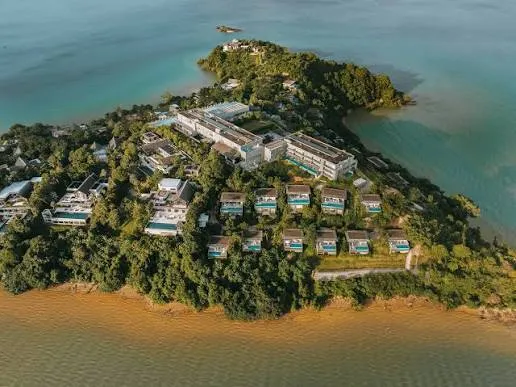
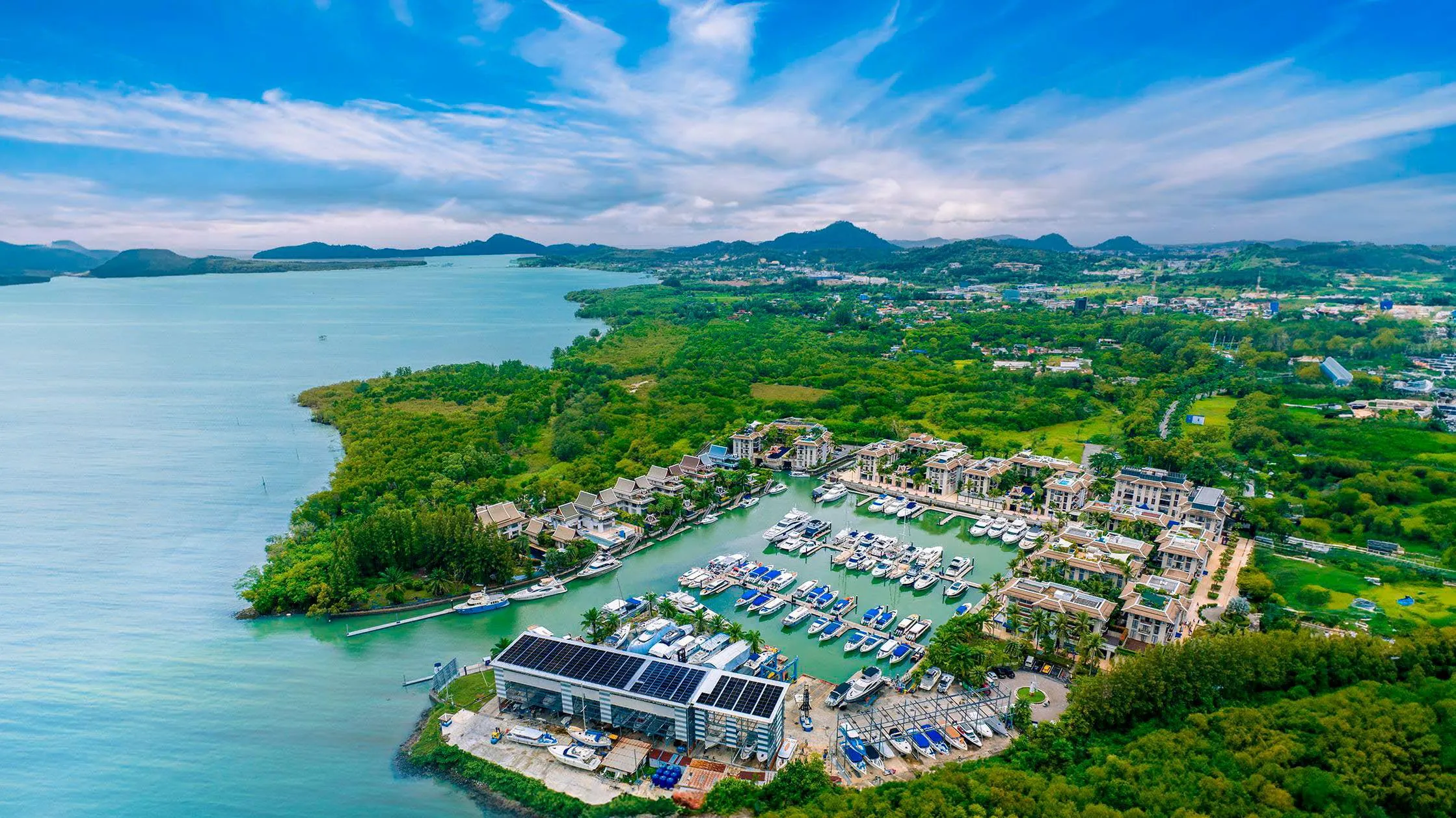
About Pa KhlokPa Khlok is a coastal subdistrict in northeastern Phuket, within Thalang District. It occupies a very different setting from the island's better-known west-coast resort areas. Instead of long stretches of developed swimming beaches, Pa…Read more About Pa KhlokPa Khlok is a coastal subdistrict in northeastern Phuket, within Thalang District. It occupies a very different setting from the island's better-known west-coast resort areas. Instead of long stretches of developed swimming beaches, Pa Khlok is characterised by green hills, established villages, forested inland areas, sheltered bays and waterfront communities facing Phang Nga Bay. Its appeal lies in the combination of residential privacy, natural surroundings and access to boating, although convenience and accessibility vary considerably between its different locations. Understanding Pa Khlok begins with its geography. The subdistrict includes inland communities as well as coastal locations such as Cape Yamu, Bang Rong and Ao Po. These places belong to the same administrative area, but they do not offer the same residential experience. A villa on Cape Yamu, a house near a traditional village and a property along the road towards Ao Po may differ significantly in their surroundings, services, traffic patterns and daily travel requirements. Cape Yamu is one of the most recognisable addresses in Pa Khlok's residential property market. This peninsula on Phuket's east coast is associated with private villas, coastal views and a more secluded living environment. The presence of COMO Point Yamu, a luxury resort overlooking Phang Nga Bay, reflects the area's established appeal as a high-end waterfront destination. Some properties occupy elevated positions with expansive sea views, while others sit closer to the shoreline within private residential estates. However, Cape Yamu should not be confused with a conventional beachfront resort area. Its attraction is primarily the coastal setting, privacy and views rather than immediate access to long sandy beaches. Shoreline conditions vary with the tides, and certain waterfront locations have rocky, shallow or exposed coastal areas. Buyers who expect to walk directly from a villa onto a swimming beach should investigate the exact frontage and public access arrangements before making a decision. Farther north, Ao Po provides another distinctive side of Pa Khlok. Ao Po Grand Marina is an established yachting facility serving boats and yacht owners travelling around Phang Nga Bay and the wider Andaman region. The marina has berthing facilities, marine services, dining and supporting amenities. It contributes to the area's boating identity and provides a practical departure point for marine activities. Properties in the surrounding area may appeal to buyers who enjoy sailing or want to live near a working marina, although access to individual marina facilities is subject to their own rules and arrangements. Bang Rong has a different character. Its pier serves passenger boats travelling between Phuket and islands including Koh Yao Noi and Koh Yao Yai. The surrounding community includes local homes, small businesses, food outlets and a longstanding connection with the sea. Bang Rong is also associated with mangrove landscapes and community-based tourism. It is a functioning local environment rather than a purpose-built luxury resort, which may appeal to residents who prefer a more established community setting. Pa Khlok also includes the Naka Island community, illustrating an important distinction between administrative location and everyday accessibility. An island may fall within the subdistrict without having a road connection to the main island of Phuket. Anyone assessing an island property or business should therefore consider boat transport, weather conditions, utility arrangements, deliveries and emergency access separately from ordinary road-based properties. Away from the coast, Pa Khlok becomes greener and more rural in character. The area around Bang Pae Waterfall is linked to the forest landscape of Khao Phra Thaeo. The nearby Gibbon Rehabilitation Project carries out conservation and education work, with visitor access arranged through its own booking system. These destinations give the inland part of the subdistrict a character that contrasts with Cape Yamu's luxury residences and Ao Po's marine facilities. Traditional communities remain an important part of Pa Khlok. Alongside tourism and residential development are local households, agricultural activities, small shops and businesses serving the surrounding population. Community-based tourism initiatives around Bang Rong and the inland villages reflect this local identity. For buyers, this means the neighbourhood surrounding a property deserves as much attention as the property itself. The experience of living beside a working village road may be quite different from living within a managed private estate. Pa Khlok's housing market is not defined by one building type. The subdistrict contains conventional houses, local residential properties, detached homes, land plots and private villas. Cape Yamu is particularly associated with higher-end villas and waterfront residences, while other parts of Pa Khlok provide a broader range of low-rise housing environments. Individual projects may offer swimming pools, managed grounds, security or other shared facilities, but these features should never be assumed across the area. This variety gives buyers different ways to approach Pa Khlok. Someone looking for a private holiday residence with sea views may focus on Cape Yamu. A buyer who regularly uses a yacht may prefer convenient access to Ao Po. A permanent resident who values greenery and a local community atmosphere may find inland locations more appealing. These are different priorities, and a property that satisfies one may be inconvenient for another. Everyday services are an important consideration. Pa Khlok has local shops, restaurants and community facilities, but major supermarkets, larger shopping centres, international schools and hospitals are not evenly distributed throughout the subdistrict. Residents often travel to other parts of Thalang for a wider choice of services. Thalang Hospital is in Thep Krasattri, outside Pa Khlok, and larger retail destinations are found in surrounding commercial areas. Families should assess the actual school journey rather than relying on the fact that a school is somewhere within Thalang District. Road access also shapes daily life. Route 4027 connects the eastern side of Thalang with the wider road network, including the Heroines Monument area. This provides a connection to other parts of Phuket, but traffic conditions can change considerably during commuting periods. A home that feels conveniently positioned during a quiet weekend visit may involve a less comfortable daily journey to school, work or shopping. Homes on smaller local roads may also have different access conditions from properties near the main route. Public transport is not a practical substitute for a private vehicle for many Pa Khlok households. Car ownership or reliable access to a driver is often useful for routine errands, medical appointments and school journeys. Visitors using the marina or island piers may have additional transport requirements. Buyers should test their likely journeys at the times they would actually travel, rather than depending on an advertised driving-time estimate. The local climate and physical environment deserve careful attention. Phuket's rainy season can bring intense downpours, and conditions will differ between coastal plots, lower-lying land and hillside properties. Drainage, road access, retaining structures and evidence of previous water accumulation should be examined individually. The presence of greenery or a coastal location does not establish that a particular plot is either safe from flooding or affected by it. Waterfront property also brings responsibilities. Salt exposure, humidity, wind-driven rain and the condition of drainage and building materials can influence maintenance needs. Buyers considering sea-facing villas should inspect exterior finishes, roofing, waterproofing, metal fittings and any structures close to the shoreline. Sea views may be attractive, but future neighbouring construction, vegetation growth and land-use permissions should be investigated before treating a particular view as permanent. Forest-edge and hillside properties require a different set of checks. Pa Khlok's natural environment includes areas associated with protected forest, but this does not mean that every green plot is protected or that every plot can legally be developed. Land classification, title documents, permitted building use, lawful road access, slope conditions and any applicable environmental controls must be verified for the specific property. Buyers should not rely solely on marketing descriptions or assumptions based on nearby buildings. Ownership structure is especially important for international buyers. Private villas and land are legally different from condominium units, and foreign ownership of land in Thailand is restricted except in limited circumstances. Leasehold arrangements, building ownership and other proposed structures require independent legal review. Buyers considering a villa should establish precisely what rights are being transferred, how those rights are registered and what obligations or restrictions apply. For buyers considering rental income, Pa Khlok should be evaluated according to the actual property and its likely audience. A staffed holiday villa in a recognised coastal location has different operating requirements from an ordinary house intended for long-term occupation. Seasonal demand, accessibility, maintenance, staffing, management costs and lawful rental arrangements can all affect financial performance. There is no reliable basis for assuming that every property in the subdistrict will produce the same rental yield or capital appreciation. Pa Khlok's principal strength is the choice between coastal privacy, boating access, established local communities and a green inland environment. Its principal trade-off is that everyday convenience is less concentrated than in Phuket's busier residential and commercial districts. For buyers who value space, scenery and a quieter pace of life, it may offer a compelling residential setting. For those who need walkable amenities, a traditional swimming beach or short and predictable journeys to schools and workplaces, another area may be more practical. The best way to assess Pa Khlok is therefore at neighbourhood and property level. Cape Yamu, Ao Po, Bang Rong and the inland villages should not be treated as interchangeable. A well-chosen property may suit its owner's lifestyle very well, but that suitability depends on verified access, legal rights, infrastructure, services and the realities of living in that particular location.
Lifestyle in Pa KhlokLiving in Pa Khlok can feel very different depending on which part of the subdistrict you choose. Rather than having one central tourist strip or commercial centre, it consists of several coastal and inland…Read more Lifestyle in Pa KhlokLiving in Pa Khlok can feel very different depending on which part of the subdistrict you choose. Rather than having one central tourist strip or commercial centre, it consists of several coastal and inland communities connected by local roads. Daily life generally moves at a quieter pace than in Phuket's major resort districts, although individual neighbourhoods can become busy around schools, local businesses, piers and main roads. Cape Yamu offers a particularly private residential atmosphere. Homes here may be part of managed villa estates or occupy individual plots overlooking the eastern coastline. For residents who value quiet surroundings, sea views and time spent at home, this environment can be appealing. Some properties are designed around private gardens, pools and outdoor living areas. However, much of the lifestyle takes place within the property or residential estate, rather than on streets lined with shops and restaurants. Ao Po has a stronger connection with boating and marine activities. For yacht owners and sailing enthusiasts, access to the marina and Phang Nga Bay is an important attraction. The marina provides a gathering point for people involved in boating, marine services and visiting yachts. This gives Ao Po a distinctive atmosphere, although it does not offer the extensive shopping or entertainment choices found in Phuket's larger commercial areas. Bang Rong presents a more traditional community environment. The pier, local restaurants, fishing-related activities and nearby mangrove areas contribute to its character. Residents may encounter a mixture of local families, commuters and visitors travelling to neighbouring islands. Unlike a resort district built around holiday accommodation, Bang Rong retains an everyday working-community identity. Inland Pa Khlok offers another experience. Areas around the local villages and Bang Pae are greener, with a mixture of homes, small businesses and agricultural surroundings. People who enjoy quieter roads, natural scenery and outdoor activities may appreciate this setting. Bang Pae Waterfall and nearby conservation initiatives provide opportunities to spend time in nature, although these are visitor attractions rather than substitutes for everyday public parks and urban recreational facilities. Dining and shopping habits are often shaped by the location of the home. Local restaurants and small shops serve individual communities, while larger grocery trips, specialist purchases and many family activities may involve driving to other parts of Thalang. Residents who enjoy cooking at home, entertaining privately or visiting local restaurants may find this arrangement comfortable. Those accustomed to walking to numerous cafés, supermarkets and shops may find it less convenient. For families, the school routine can be a deciding factor. The availability of international education elsewhere in northern Phuket does not mean those campuses are within Pa Khlok itself. School transport arrangements, traffic at peak hours and the distance from a particular home should form part of the lifestyle decision. The rainy season also changes the experience of living here. Outdoor activities, boat trips and journeys along smaller roads can be affected by heavy rain and changing weather. Coastal homes are exposed to humidity and salt air, while homes closer to wooded areas may require additional attention to insects, vegetation and property maintenance. These conditions are manageable for many residents, but they are part of everyday tropical living. Pa Khlok is likely to appeal most to people who enjoy privacy, natural surroundings and a home-focused lifestyle. It can also suit boating enthusiasts and residents who prefer established local communities to large tourist centres. The trade-off is a greater dependence on private transport and fewer concentrated entertainment and shopping choices. Buyers should spend time in the specific neighbourhood they are considering before deciding whether its pace and conveniences match their daily routines.
What Property Buyers Should Know About Pa KhlokBuying property in Pa Khlok requires careful attention to the exact location. The subdistrict includes high-end waterfront villas, inland residential properties, traditional communities and areas close to working piers or forested land. These environments…Read more What Property Buyers Should Know About Pa KhlokBuying property in Pa Khlok requires careful attention to the exact location. The subdistrict includes high-end waterfront villas, inland residential properties, traditional communities and areas close to working piers or forested land. These environments differ considerably, so a general description of Pa Khlok cannot establish whether an individual home is suitable, legally secure or conveniently located. The first decision is which part of the subdistrict best matches the intended use of the property. Cape Yamu may appeal to buyers prioritising sea views, residential privacy and luxury villa living. Ao Po may be more interesting to those who regularly use marine facilities. Inland locations may offer a different residential setting, with local communities and greenery rather than direct waterfront access. Buyers should compare these options according to their actual lifestyle rather than assuming that all properties share the same advantages. Access should be investigated early. Check the route from the property to Route 4027 and the wider Phuket road network, including the Heroines Monument junction. Test journeys during school and work commuting periods, particularly if the household requires regular travel to international schools, offices or hospitals. A quoted journey time based on light traffic may not represent normal weekday conditions. For properties on private lanes, confirm the road's legal status, width, maintenance responsibility and whether access rights are properly recorded. Daily convenience is another important consideration. Pa Khlok has local services, but larger shopping facilities, schools and hospital departments may be located in other subdistricts. Buyers should identify the facilities they will actually use and examine the route to each one. Households with young children, older residents or people requiring frequent medical care may place greater importance on predictable travel and emergency access. For waterfront villas, investigate the relationship between the property and the sea. A waterfront address does not necessarily provide a sandy swimming beach, safe water access or permission to build a private jetty. Examine the shoreline at different tide levels and establish whether access is public, private or subject to legal restrictions. Where a property is advertised with beach access or boating facilities, request evidence that those arrangements are lawful and available to the purchaser. Sea-facing properties also require a thorough building inspection. Salt air, humidity, wind-driven rain and exposed outdoor structures can increase maintenance demands. Inspect waterproofing, drainage, roof details, exterior metalwork, swimming pools and any coastal retaining structures. Ask for maintenance records and independent assessments where significant repair costs may be involved. For inland and hillside properties, assess drainage, ground conditions and road access. Visit during or after heavy rain where practical, review drainage provisions and ask about documented past incidents affecting the specific plot. On sloping land, obtain professional advice about retaining walls, foundation design and slope stability. These are property-specific checks; the presence of hills or heavy seasonal rainfall does not mean that every property in Pa Khlok has the same risks. Land status must be independently verified. Confirm the title deed, registered owner, plot boundaries, encumbrances and legally enforceable access. A survey may be appropriate where boundary positions or neighbouring structures raise questions. Buyers should also establish the permitted use of the land, existing construction approvals and whether any applicable zoning, coastal or environmental restrictions affect present buildings or proposed alterations. The proximity of protected forest makes careful verification especially important for certain locations, but restrictions must be established for the actual parcel. International buyers should obtain independent legal advice before agreeing to a purchase structure. Foreign freehold condominium ownership is permitted only where the legal requirements are satisfied, while direct foreign ownership of land is generally restricted. A villa purchase may involve different rights relating to land, buildings or leases, and those rights should be understood separately. Buyers should not assume that a marketed freehold or leasehold structure provides identical protection in every project. Where a property forms part of a managed villa estate, review the estate's legal structure and financial obligations. Establish who owns and maintains the access roads, shared landscaping, drainage, security systems and other common facilities. Request details of recurring management charges, reserve funds, unpaid contributions and anticipated major repairs. If private services such as pool maintenance, gardening or security are included, confirm what the fees actually cover and whether service agreements can change. Privacy and views should also be checked carefully. A villa may currently overlook undeveloped greenery or open water, but that does not automatically guarantee the view will remain unchanged. Investigate neighbouring land ownership, existing planning permissions and the development potential of surrounding plots. Similarly, marketing references to exclusive surroundings should be assessed against public roads, nearby businesses, boat activity and any future construction that is already authorised. For buyers considering holiday rentals, distinguish a property's appeal as a private home from its potential as an income-producing asset. Rental performance depends on location, property quality, management, marketing, guest demand and operating costs. Staffing, cleaning, repairs, utilities, insurance and management commissions can materially affect net income. Confirm that the intended rental activity is legally permitted and that all necessary licences or permissions are in place. Advertised rental yields or occupancy projections should be treated as claims requiring independent supporting evidence, not guarantees. Island-based properties require particular care. Where land is administratively part of Pa Khlok but separated from Phuket's main road network, daily access may depend on boats, weather and available landing facilities. Emergency services, deliveries, building materials and utility arrangements should be investigated individually. An island property's apparent proximity on a map does not demonstrate convenient everyday access. Before committing, buyers should visit the property and its surroundings more than once. A daytime viewing should ideally be supplemented by an evening or weekend visit, with additional attention to conditions during the rainy season. Speak with independent professionals, review documents before paying substantial deposits and avoid making irreversible decisions based solely on photographs, brochures or statements about future infrastructure. Pa Khlok can be a strong choice for buyers who prioritise a quieter environment, private residential space, coastal scenery or boating access. It may be less suitable for people who require extensive walkable amenities, immediate access to popular swimming beaches or short daily journeys across Phuket. The essential trade-off is between the area's privacy and natural setting and the practical demands of transport, services and property maintenance. A sound purchase decision depends on verifying those details for the individual property rather than relying on Pa Khlok's general reputation.
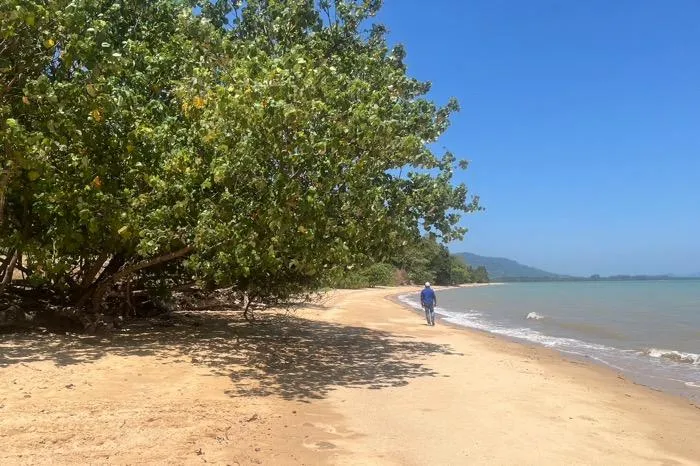
Yamu Beach (Cape Yamu)Located in the subdistrictYamu Beach is a quiet, tidal shoreline at Cape Yamu in Pa Khlok, Thalang, overlooking Phang Nga Bay. Small sandy stretches, shallow water and nearby seagrass habitats give it a different character from Phuket's west-coast beaches. It is better suited to coastal scenery and walking than reliable swimming; access may vary along residential sections.
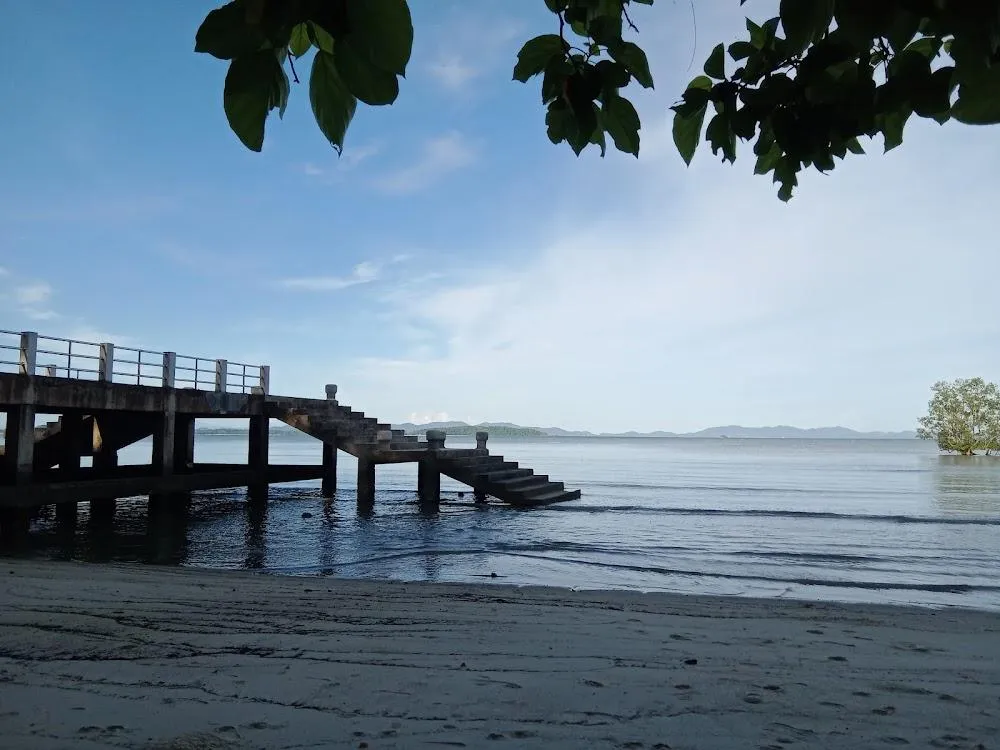
Tha La BeachLocated in the subdistrictTha La Beach is a local coastal area in Pa Khlok, Thalang, known for its shallow tidal shoreline, mangroves and seagrass habitat. The beach is associated with community conservation and provides views across the sheltered waters of eastern Phuket. Muddy areas and changing tides make it more suitable for nature observation and quiet coastal visits than swimming.
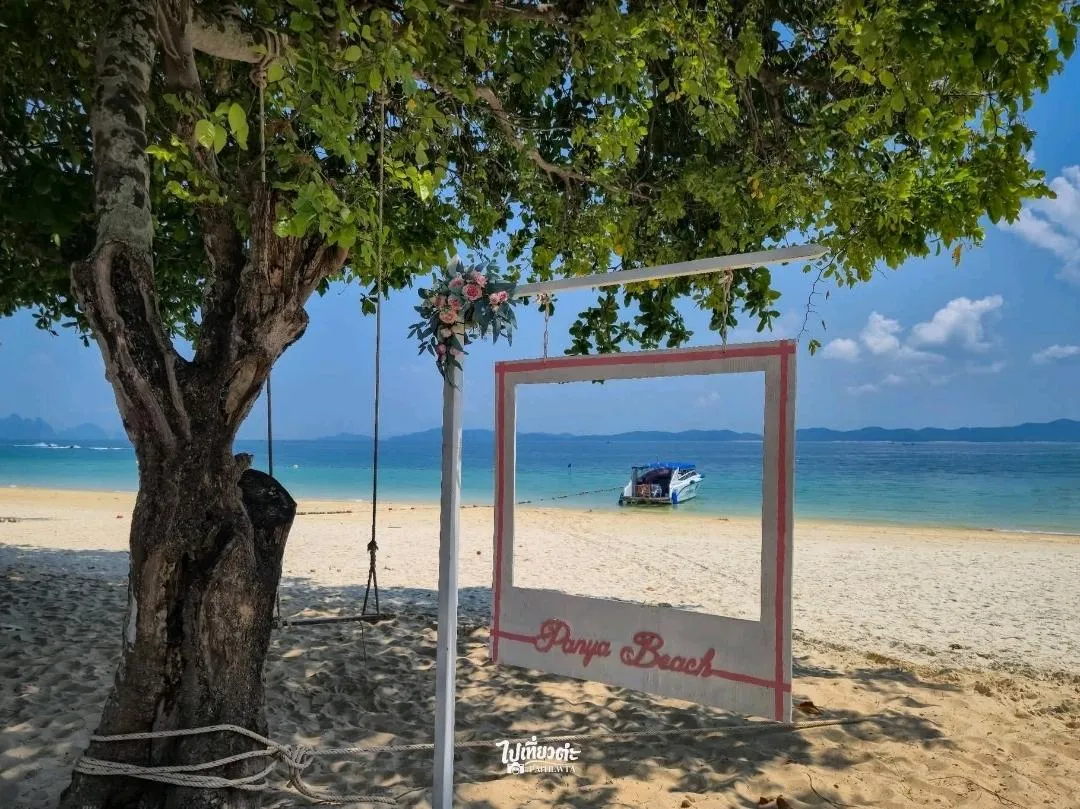
Panya Beach (Ko Naka Yai)Located in the subdistrictPanya Beach is a sandy beach on Ko Naka Yai, an island in Pa Khlok subdistrict off Phuket's northeast coast. Reached by boat, it is a stop for island excursions and beach relaxation, with views across Phang Nga Bay. Visitor facilities and boat traffic can vary, and swimming conditions should be checked locally.
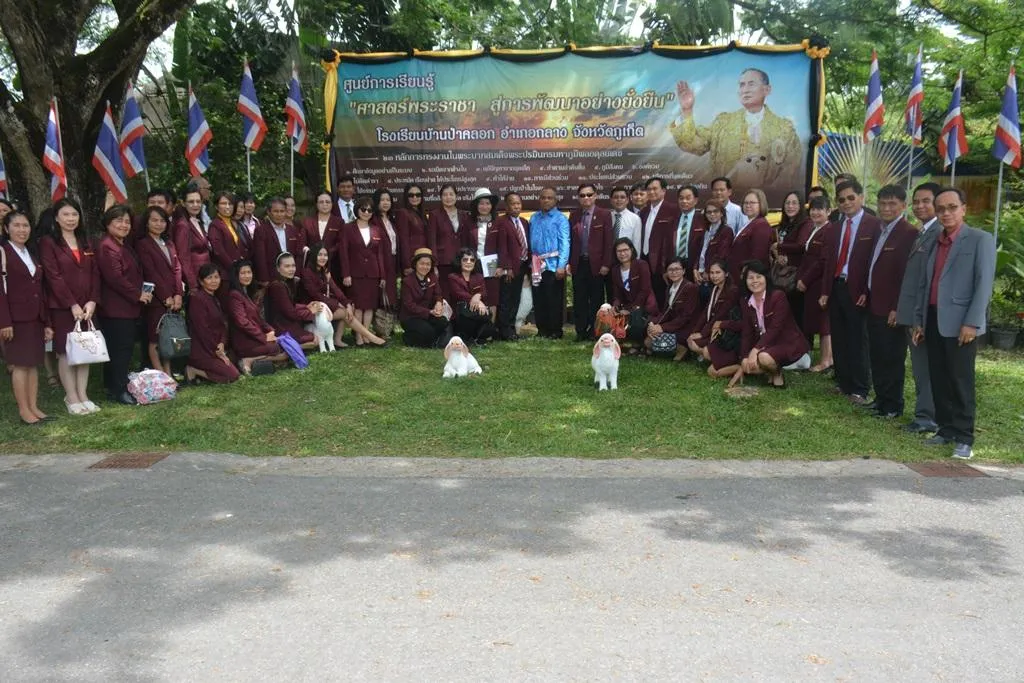
Ban PA Khlok SchoolLocated in the subdistrictBan Pa Khlok School is a government school in Pa Khlok, Thalang, offering kindergarten and primary education through Prathom 6. It follows Thailand's basic education curriculum and operates under the Phuket Primary Educational Service Area Office. The school has served the local community for generations.
UWC Thailand International SchoolNearby locationUWC Thailand International School is an International Baccalaureate school in Thep Krasattri, Thalang, educating students from age 2 through Grade 12. It offers the IB Primary Years, Middle Years and Diploma programmes, with day and boarding options. Its educational approach includes outdoor learning, sports, mindfulness and community engagement.
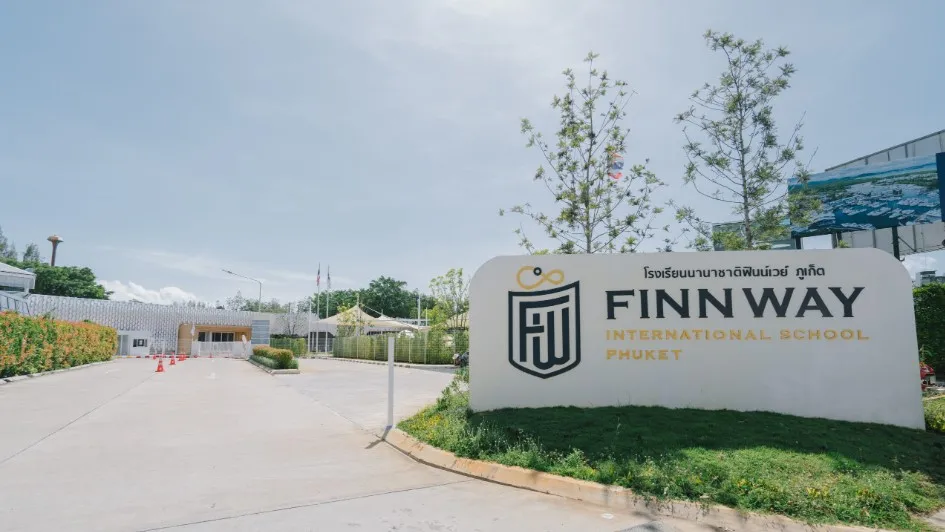
Finnway International School PhuketNearby locationFinnway International School Phuket is a Finnish-inspired international school located in Ko Kaeo, near Phuket Boat Lagoon. It provides English-language education from early years through primary school, with an expanding Cambridge Lower Secondary programme. The school emphasises play-based learning, creativity, critical thinking, student wellbeing and personalised academic development.
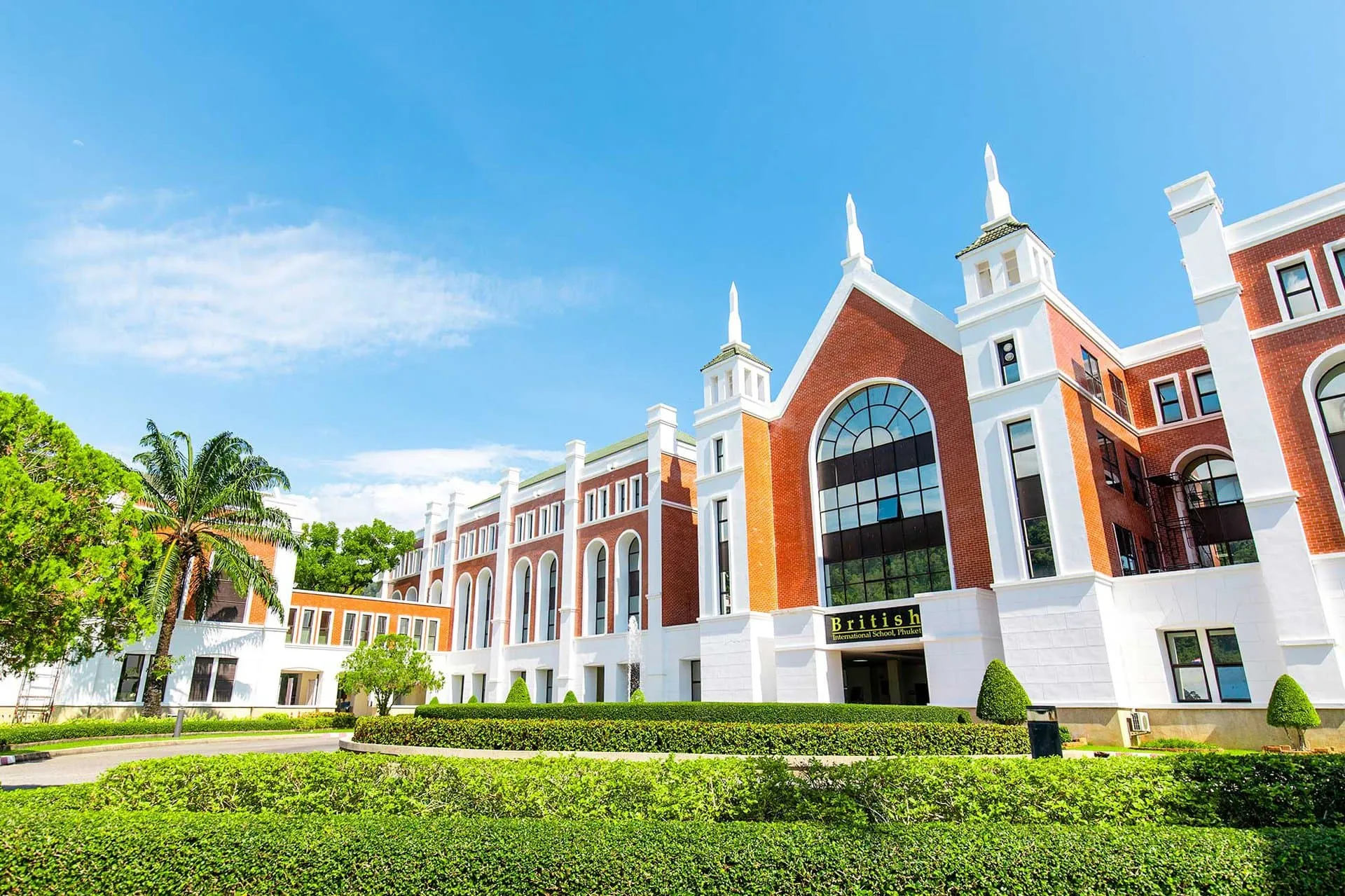
British International School PhuketNearby locationBritish International School Phuket is an established international day and boarding school in Ko Kaeo, Phuket, providing education for children aged 2 to 18. The school follows the National Curriculum of England, with IGCSE and International Baccalaureate Diploma pathways. Its extensive campus includes swimming pools, football pitches, tennis courts, sports academies and specialist academic facilities.
Thalang HospitalNearby locationThalang Hospital is a government community hospital in Thep Krasattri, Thalang. It provides emergency care, outpatient and inpatient treatment, diagnostic imaging, laboratory testing, maternity services and selected specialist clinics. Its facilities include dental care, orthopaedics, physiotherapy and chronic disease management.
Robinson Lifestyle ChalongNearby locationRobinson Lifestyle Chalong is a modern shopping mall on Chao Fa East Road, near Soi Ta-iad in southern Phuket. It offers a department store, Tops supermarket, restaurants, cafés, fashion shops, a cinema and family entertainment facilities. The mall is a convenient destination for Chalong residents seeking everyday shopping, dining and leisure activities without travelling into Phuket Town.
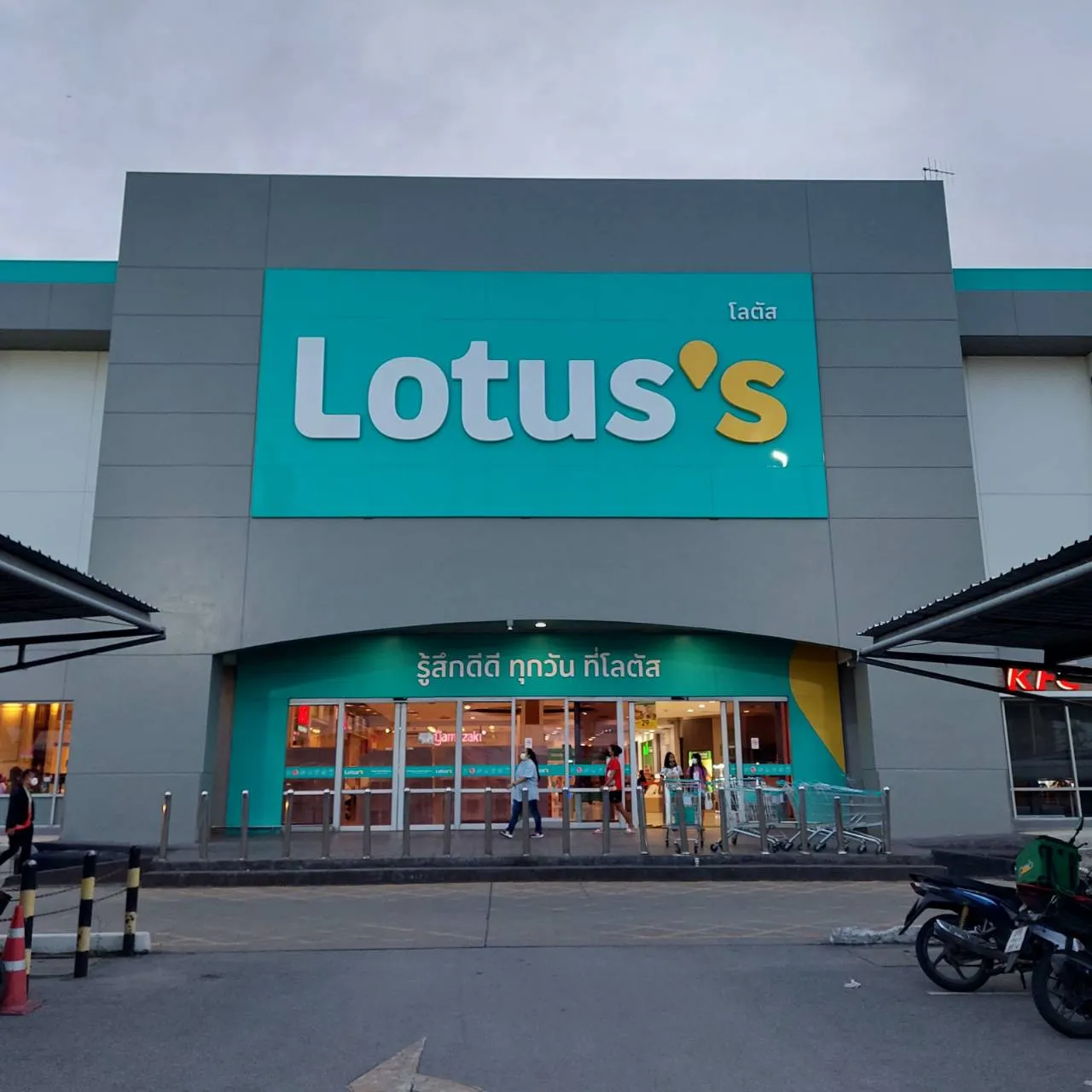
Lotus's ThalangNearby locationLotus's Thalang is a large hypermarket and shopping centre on Thep Krasattri Road in northern Phuket. It offers fresh groceries, household essentials, clothing, personal care products and everyday retail items. The complex also includes restaurants, a food court and supporting services, making it a practical shopping destination for families and long-term residents.
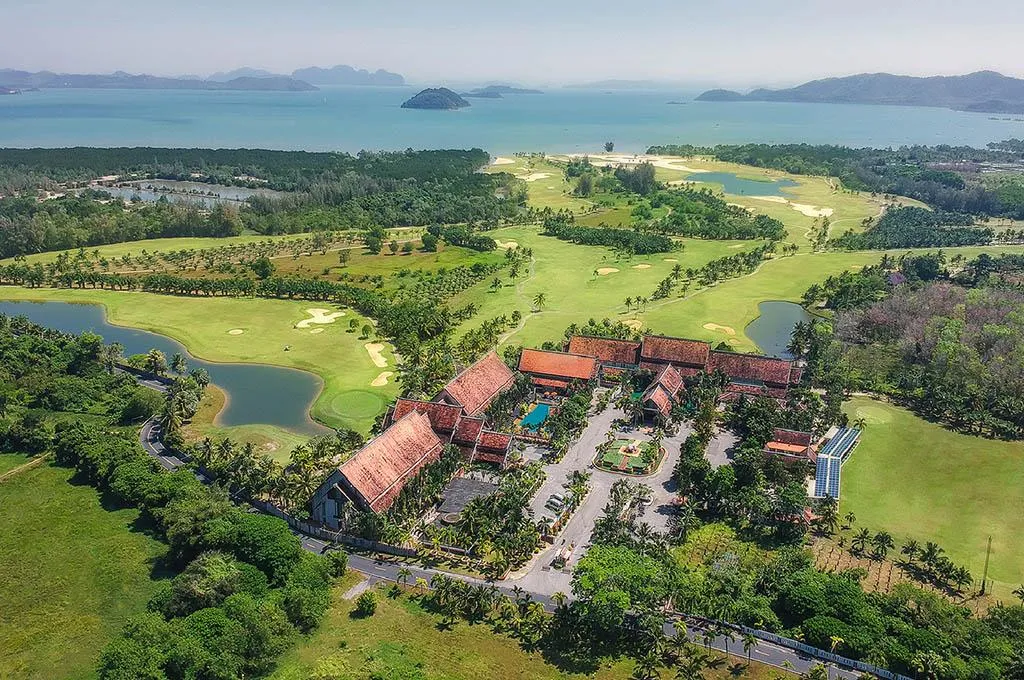
Mission Hills Phuket Golf Resort & SpaLocated in the subdistrictMission Hills Phuket Golf Resort & Spa is a coastal golf destination in Pa Khlok, Thalang. Its 18-hole course, designed by Nicklaus Design, features scenic sea views, water hazards and tropical landscapes. The resort also provides clubhouse facilities, dining and accommodation for golfers visiting Phuket's northeastern coast.
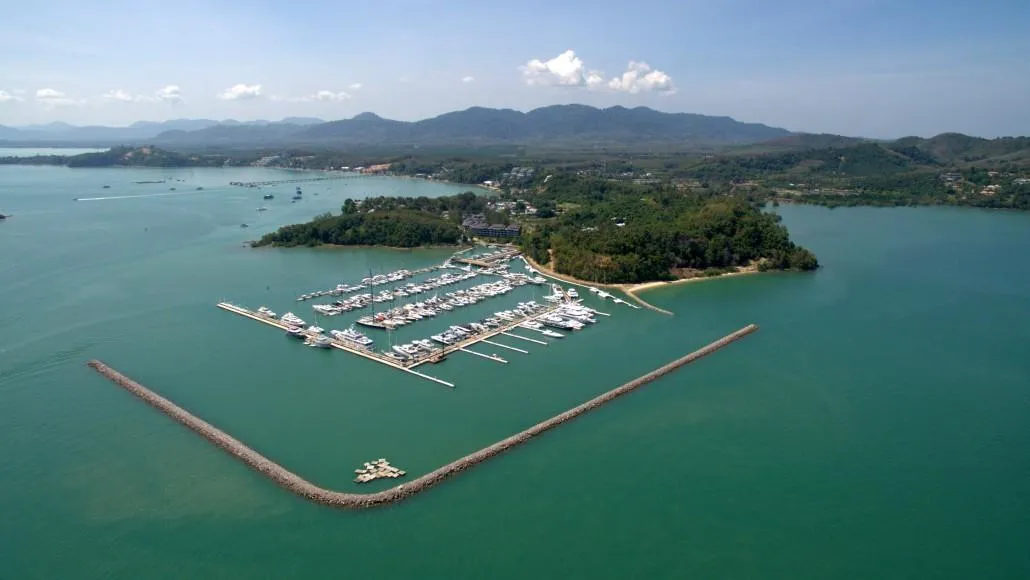
Ao Po Grand MarinaLocated in the subdistrictAo Po Grand Marina is an established yacht marina on Phuket's northeastern coast in Pa Khlok, Thalang. Overlooking Phang Nga Bay, it provides yacht berths, marine services, fuel facilities and access to sailing and boating activities. The marina also features waterfront dining, fitness facilities and accommodation overlooking the harbour.
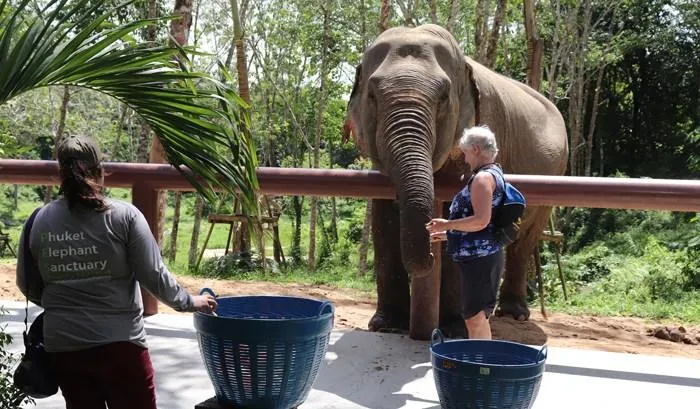
Phuket Elephant SanctuaryLocated in the subdistrictPhuket Elephant Sanctuary is a wildlife sanctuary in Pa Khlok, Thalang, dedicated to caring for rescued and retired Asian elephants. Located beside the Khao Phra Thaeo forest, it offers guided educational visits and an elevated canopy walkway where visitors can observe elephants in their natural surroundings. Visits focus on animal welfare and conservation rather than elephant rides.
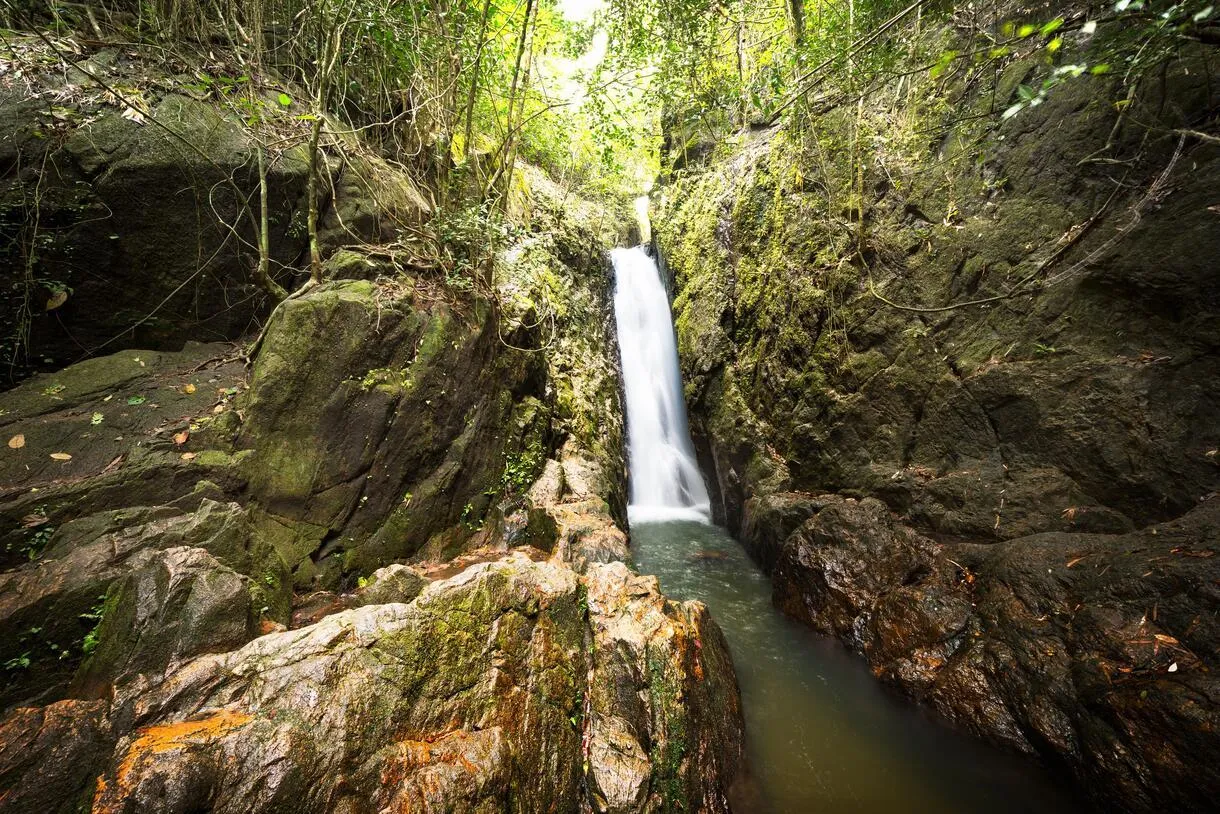
Bang Pae WaterfallLocated in the subdistrictBang Pae Waterfall is a natural attraction within the Khao Phra Thaeo forest in Pa Khlok, Thalang. Surrounded by tropical vegetation, the waterfall is reached by a short forest walk and features a rocky stream and small natural pools. It is a popular destination for nature visits and photography, although water levels and safe access vary with seasonal rainfall.
The Gibbon RehabilitationLocated in the subdistrictThe Gibbon Rehabilitation Project is a wildlife conservation centre near Bang Pae Waterfall in Pa Khlok, Thalang. Established to rescue and rehabilitate gibbons affected by captivity and illegal wildlife activities, the project works towards returning suitable animals to protected forests. Educational visits explain its conservation work and require advance booking.
Highway 402 Ko Kaeo U-Turn Improvement ProjectNearby locationThe Highway 402 Ko Kaeo U-Turn Improvement Project aims to replace a temporary turning point near Ban Yi Teng with a permanent road facility. The works are intended to improve traffic safety, reduce congestion and make turning movements easier along Thepkrasattri Road. Transport officials identified 2028 as a target completion year, but the final construction timetable remains dependent on funding and implementation progress.
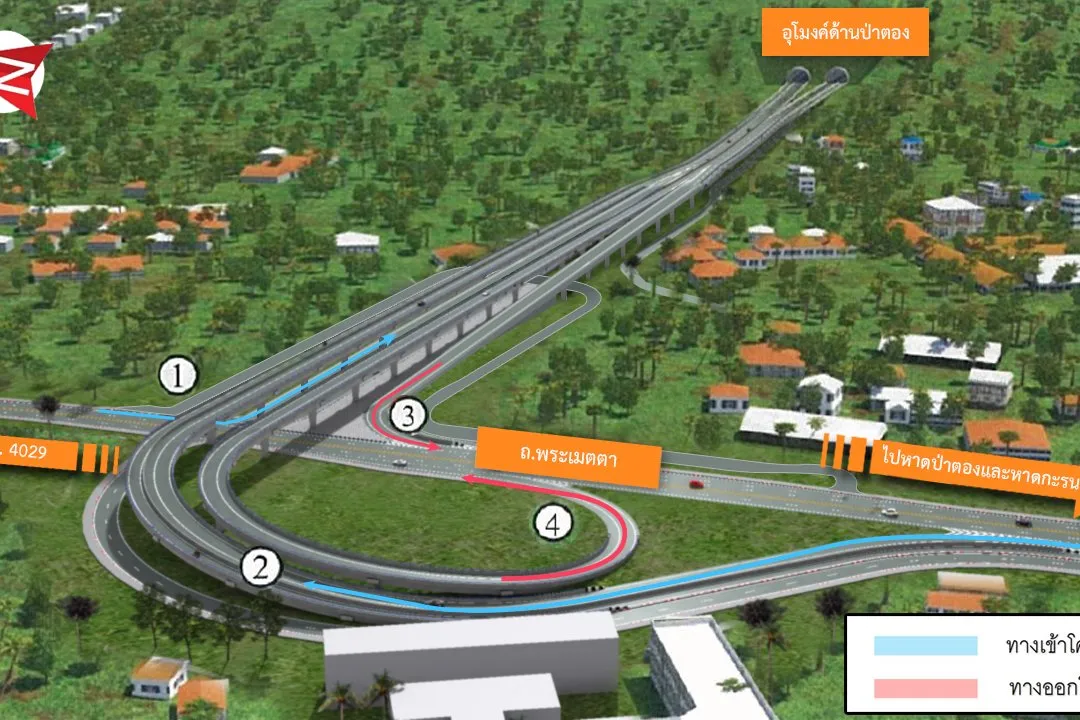
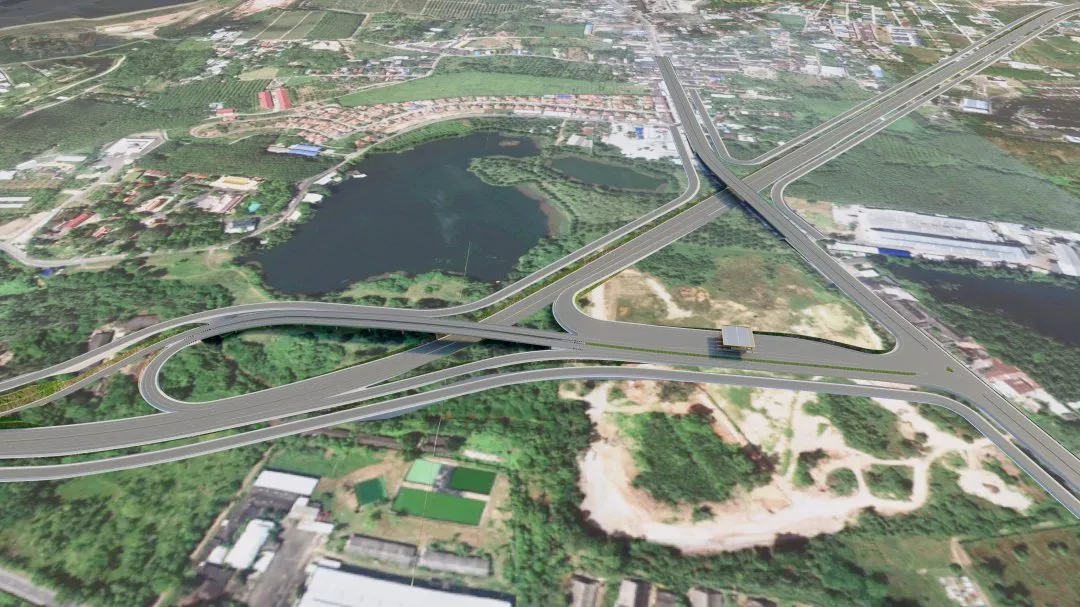
Ko Kaeo Flyover and Pa Khlok–Kathu Road ProjectLocated in the subdistrictThe Ko Kaeo Flyover is a proposed elevated road crossing on Thepkrasattri Road, forming part of a new road connection between Pa Khlok and Kathu. The project aims to reduce congestion around Ko Kaeo and provide an alternative route that avoids some of Phuket's busiest intersections. A feasibility study has been completed, but detailed design, environmental approval, construction funding and an opening date remain unconfirmed.
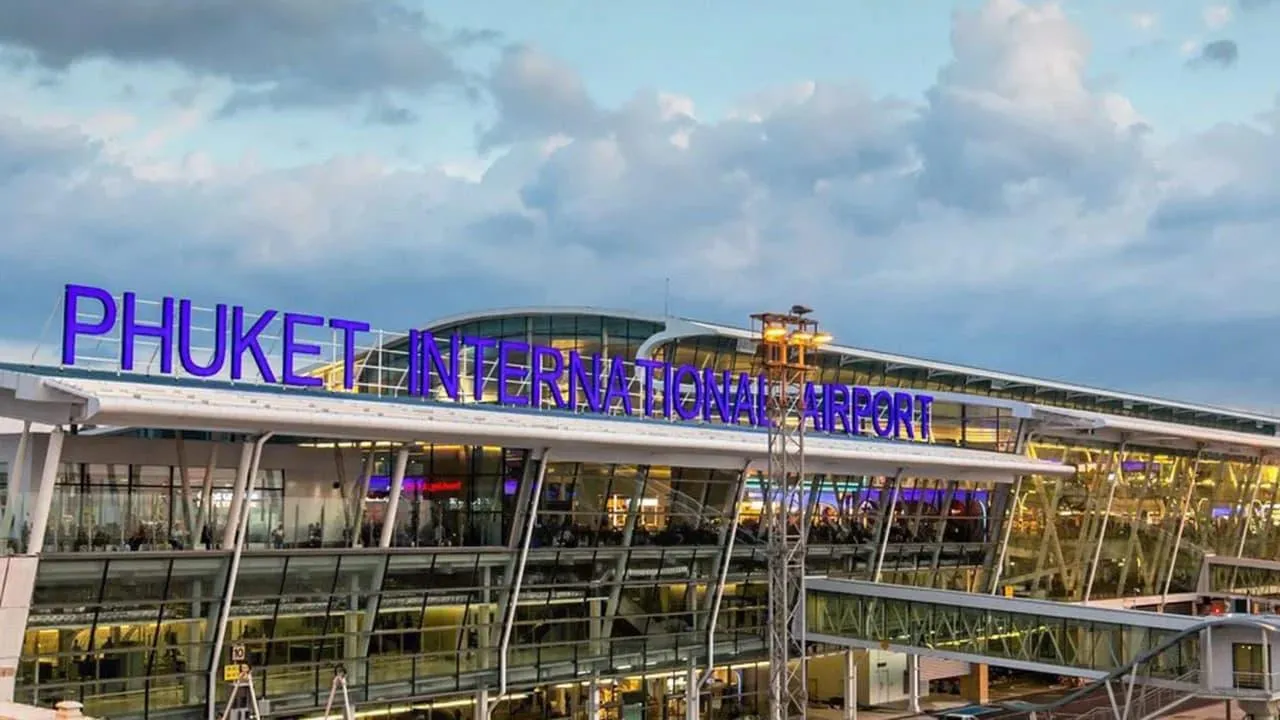
Phuket International Airport Phase 2Nearby locationPhuket International Airport Phase 2 is a planned expansion of the international passenger terminal in Mai Khao. Airports of Thailand aims to increase annual passenger capacity from 12.5 million to 18 million. The project remains in the design and approval process, with its construction and completion timetable subject to change.